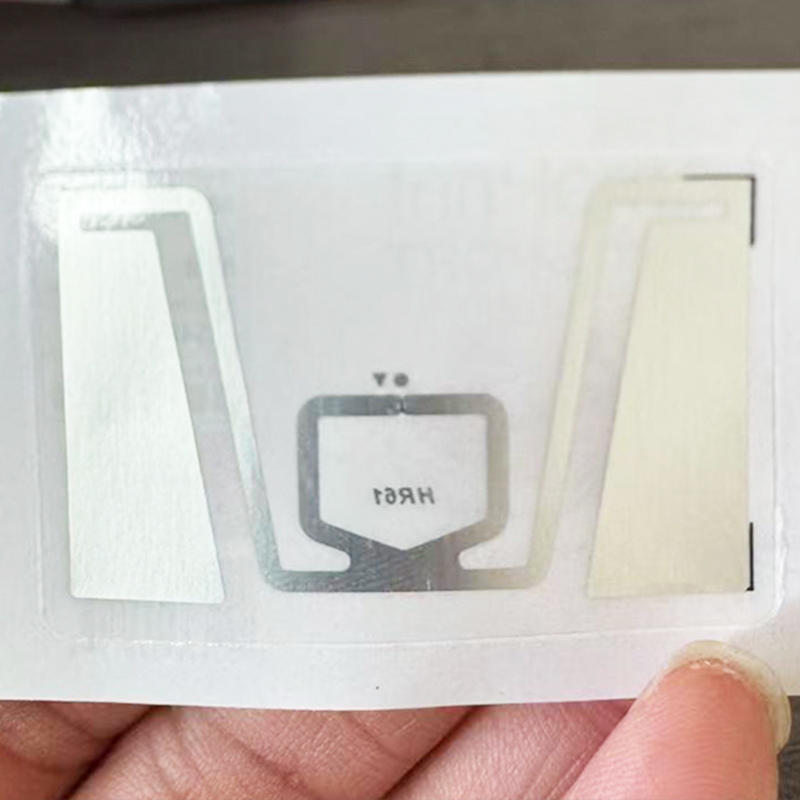
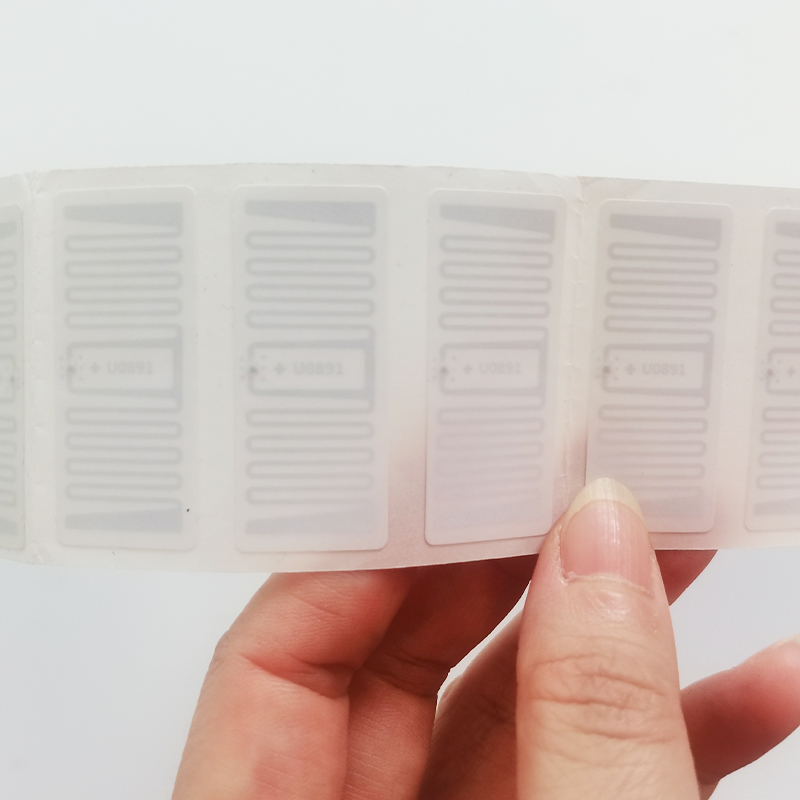
Specifications of RFID Labels
| Item | Description |
|---|---|
| Product Type | RFID Labels / RFID Tags / Smart Labels |
| RFID Frequency | LF (125KHz), HF (13.56MHz), UHF (860-960MHz) |
| Chip Options | MIFARE, NTAG, Impinj, Alien, NXP, UCODE Series, Customized Chips |
| Reading Distance | 1cm – 15m (depending on frequency, chip, and environment) |
| Printing Method | Offset Printing, Flexographic Printing, Digital Printing, Thermal Transfer Printing |
| Label Size | Customized according to customer requirements |
| Adhesive Type | Permanent adhesive, removable adhesive, high-strength industrial adhesive |
| Surface Finishing | Matte, Glossy, Lamination, UV Coating, Embossing |
| Operating Temperature | Approx. -20℃ to +80℃ (depending on materials and chips) |
| Data Storage | Customized according to RFID chip capacity |
| Customization | Logo printing, barcode, QR code, variable data, serial numbers |
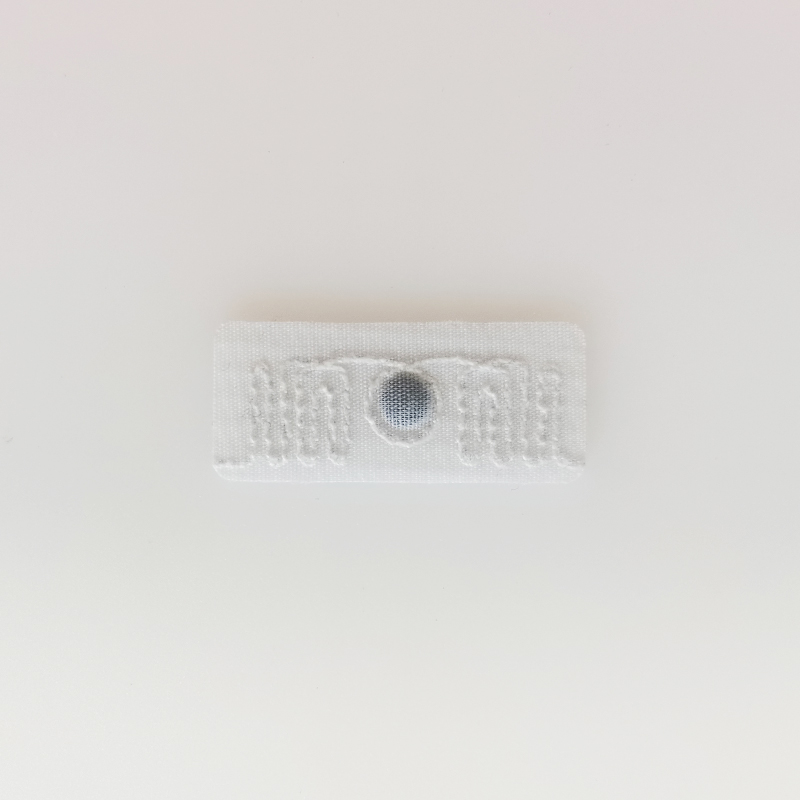
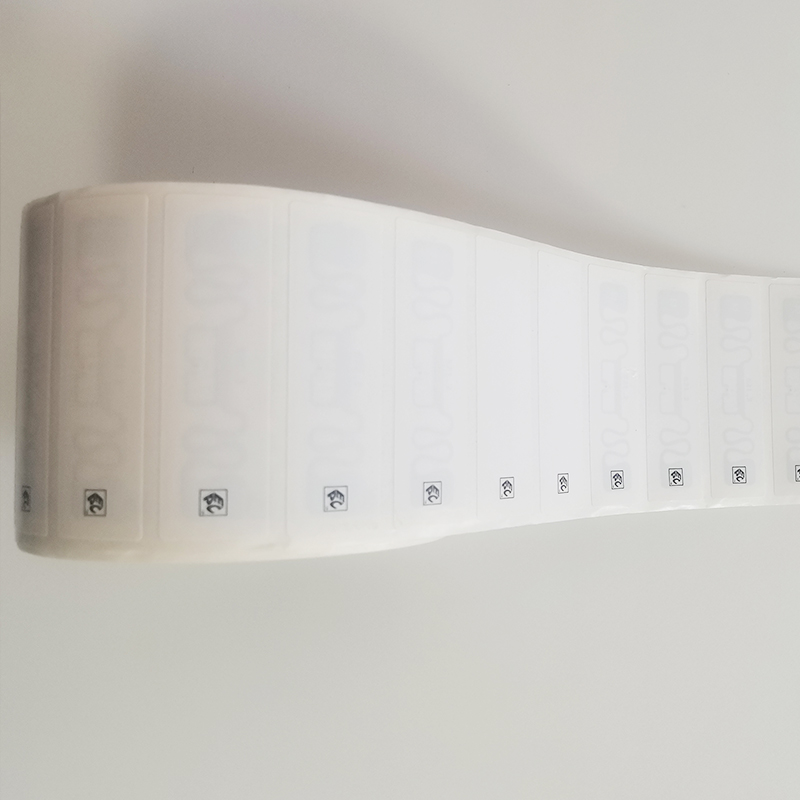
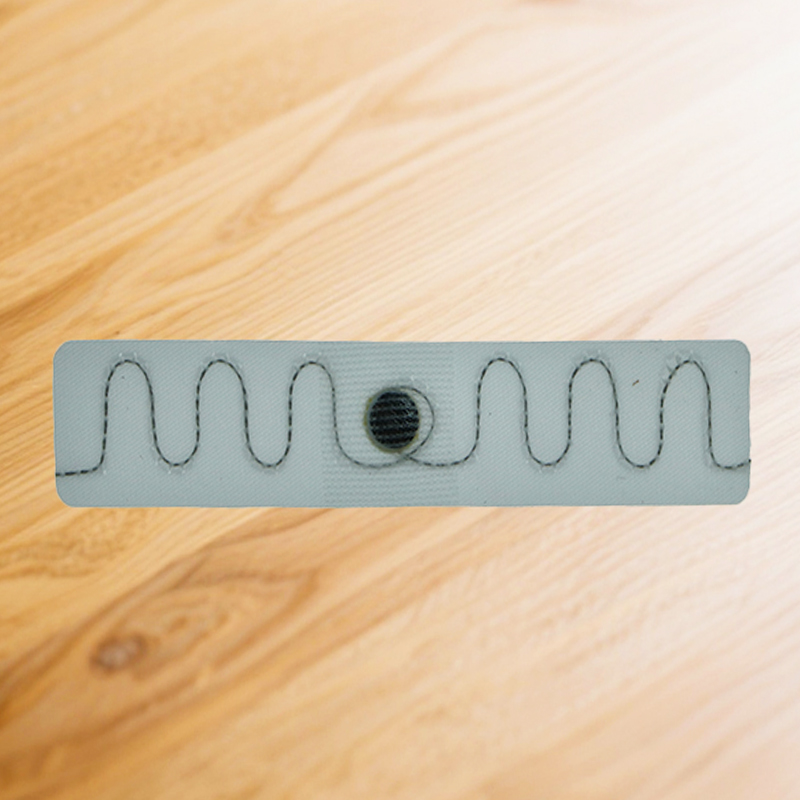
RFID (Radio Frequency Identification) Labels are intelligent identification solutions that combine advanced RFID chip technology with high-performance label materials. They enable automatic identification, tracking, and data management without direct contact or manual scanning.
As a professional RFID label manufacturer, we provide customized RFID tags and labels for retail, logistics, manufacturing, healthcare, warehousing, asset management, and supply chain applications. Our RFID products can be customized in size, material, chip type, printing design, and adhesive performance to meet different industry requirements.
2. Working Principle of RFID Labels
RFID labels work through wireless communication between an RFID chip embedded inside the label and an RFID reader.
The basic working process includes:
RFID Reader Sends Signal
The RFID reader emits radio frequency signals through an antenna.
RFID Chip Receives Energy
The RFID antenna inside the label captures the signal and activates the RFID chip.
Data Transmission
The chip sends stored information, such as product ID, tracking data, or authentication information, back to the reader.
Data Management
The collected information is transferred to a software system for inventory management, tracking, analysis, and automation.
Compared with traditional barcode labels, RFID technology allows multiple items to be scanned simultaneously without direct line-of-sight scanning.
3. Materials of RFID Labels
RFID labels consist of multiple layers designed for different environments and applications.
1. Face Material
Common options include:
- Coated paper
- Synthetic paper
- PET
- PP
- PVC
- Thermal paper
- Waterproof film materials
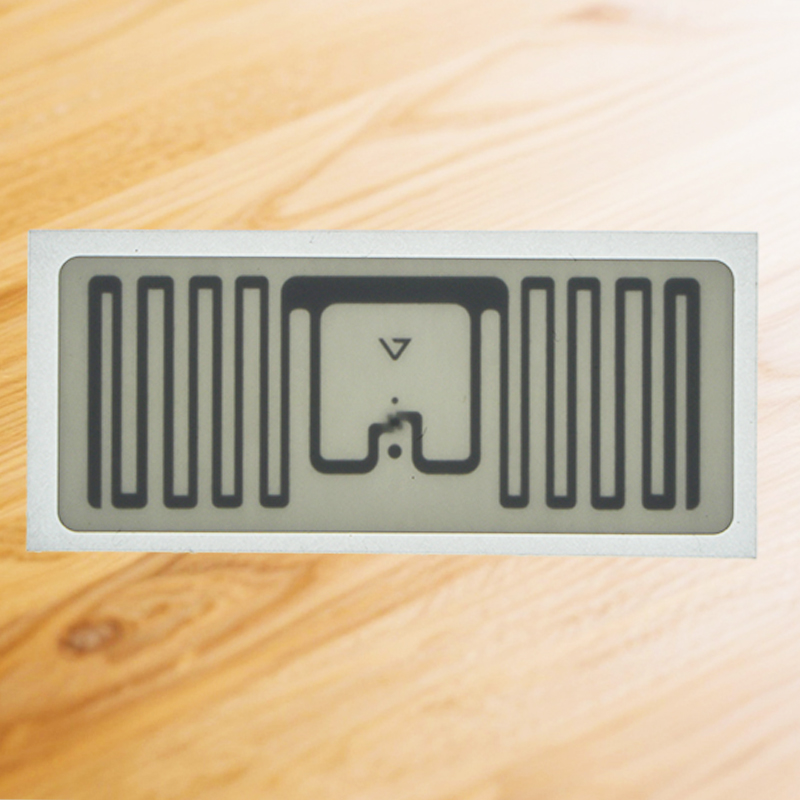
2. RFID Inlay
The RFID inlay contains:
- RFID chip
- Aluminum or copper antenna
- PET carrier film
3. Adhesive Layer
Available adhesive solutions:
- General-purpose adhesive
- High-temperature adhesive
- Freezer-grade adhesive
- Industrial permanent adhesive
- Removable adhesive
4. Protective Layer
Optional protection:
- Lamination film
- UV coating
- Scratch-resistant coating
- Waterproof coating
4. Service Life of RFID Labels
The lifespan of RFID labels depends on the chip type, materials, and application environment.
Typical lifespan:
- Paper RFID Labels: 1–3 years under normal conditions
- PET/PVC RFID Labels: 3–10 years or longer
- Industrial RFID Tags: 5–20 years depending on usage conditions
For harsh environments, we can provide:
- Waterproof RFID labels
- Chemical-resistant RFID tags
- Heat-resistant RFID labels
- Outdoor durable RFID solutions
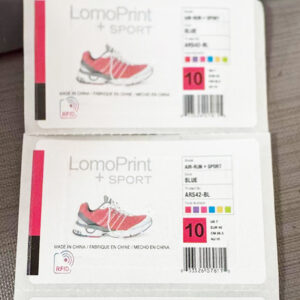
5. Main Applications of RFID Labels
Retail & E-commerce
- Smart inventory management
- Product tracking
- Anti-counterfeiting solutions
- Automated checkout systems
Logistics & Warehousing
- Warehouse tracking
- Shipment identification
- Pallet management
- Supply chain visibility
Manufacturing
- Production line tracking
- Work-in-progress management
- Equipment identification
- Quality control tracking
Healthcare
- Medical equipment tracking
- Patient identification
- Pharmaceutical management
Asset Management
- Fixed asset tracking
- IT equipment management
- Tool tracking
Food & Beverage Industry
- Cold chain monitoring
- Product traceability
- Packaging identification
6. Problems Solved by RFID Labels
Problem 1: Manual Inventory Errors
Traditional barcode systems require manual scanning and are time-consuming.
RFID Solution:
- Automatic identification
- Faster inventory counting
- Reduced human errors
Problem 2: Low Supply Chain Visibility
Companies often struggle to track products throughout transportation.
RFID Solution:
- Real-time tracking
- Better logistics control
- Improved supply chain transparency
Problem 3: Product Counterfeiting
Many brands face risks from fake products.
RFID Solution:
- Unique digital identity
- Product authentication
- Brand protection
Problem 4: Labor Cost Pressure
Manual recording requires large amounts of labor.
RFID Solution:
- Automated data collection
- Higher working efficiency
- Reduced operational costs
7. RFID Labels vs Traditional Barcode Labels (Competitor Analysis)
| Feature | RFID Labels | Barcode Labels |
|---|---|---|
| Scanning Method | Wireless identification | Optical scanning |
| Reading Distance | Several meters possible | Usually close range |
| Multiple Item Reading | Yes | No |
| Line-of-Sight Required | No | Yes |
| Data Storage | Larger capacity | Limited |
| Durability | Higher options available | Depends on printing |
| Automation Capability | Excellent | Limited |
| Inventory Efficiency | Very High | Medium |
RFID Advantage:
RFID provides a more efficient, automated, and scalable identification solution compared with traditional barcode labels.
8. Why Choose Our RFID Labels?
As a direct RFID label manufacturer, we provide:
✓ Customized RFID solutions
✓ Professional label printing technology
✓ Multiple RFID chip options
✓ High-performance adhesive materials
✓ Waterproof and industrial-grade solutions
✓ Flexible MOQ support
✓ Fast prototyping and sample production
✓ Competitive factory pricing
We help businesses improve efficiency, reduce costs, and build smarter tracking systems.