Custom Epoxy Resin Material Shape Dome Label for Bottle Decoration
| ITEM | DETAILS |
|---|---|
| Product Type | Dome Resin Labels (Crystal Epoxy Labels) |
| Materials | PVC, PET, Coated Paper, Chrome Paper, Self-Adhesive Sticker |
| Dome Material | Epoxy Resin, UV Resin |
| Printing Method | Digital Printing, Screen Printing, UV Printing |
| Adhesive Type | Strong Permanent Adhesive, 3M Adhesive |
| Surface Finish | High-Gloss Crystal Finish, Matte Dome, Waterproof & Scratch-Resistant |
| Shape & Size | Round, Oval, Square, Custom Shapes, Custom Sizes |
| Color Options | Full-Color Printing, Gold Foil, Silver Foil, Custom Pantone Colors |
| Application | Automotive Logos, Appliance Labels, Brand Logos, Promotional Gifts, Electronic Product Labels |
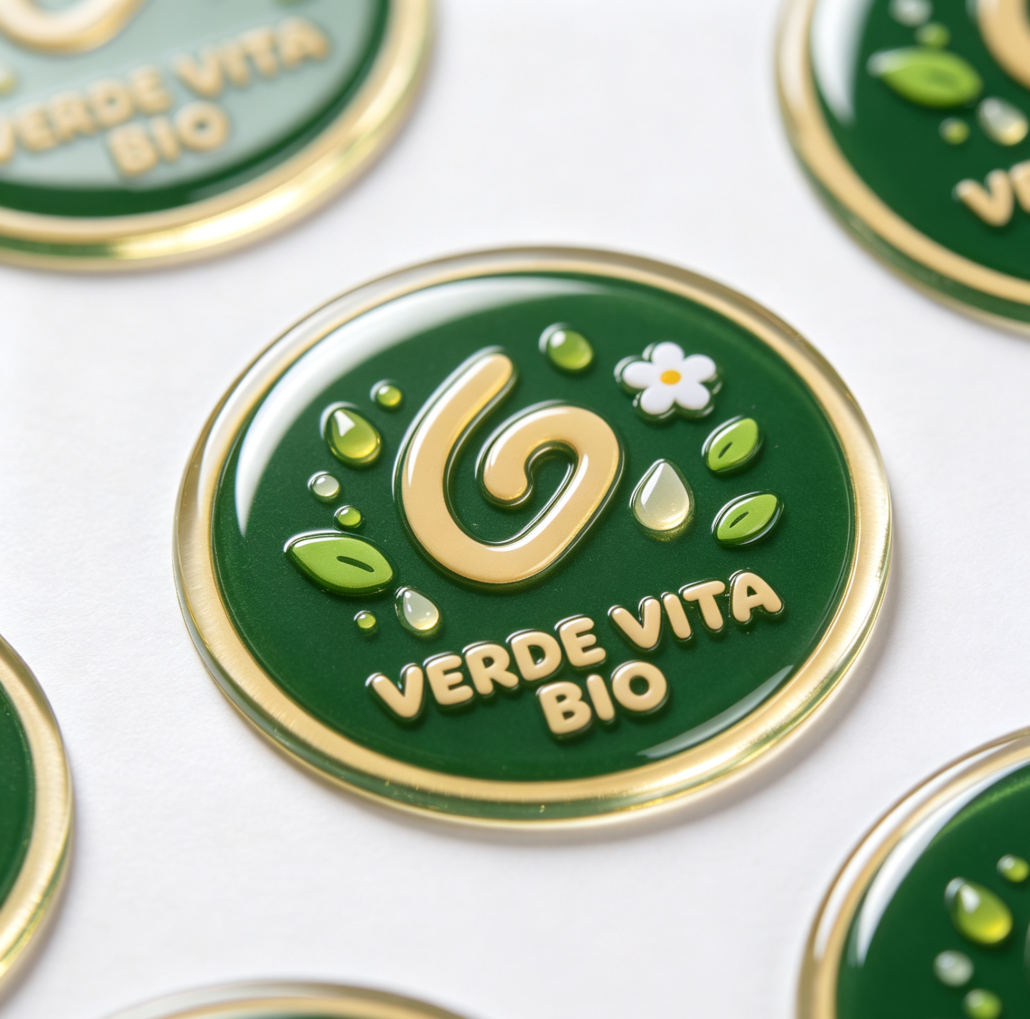
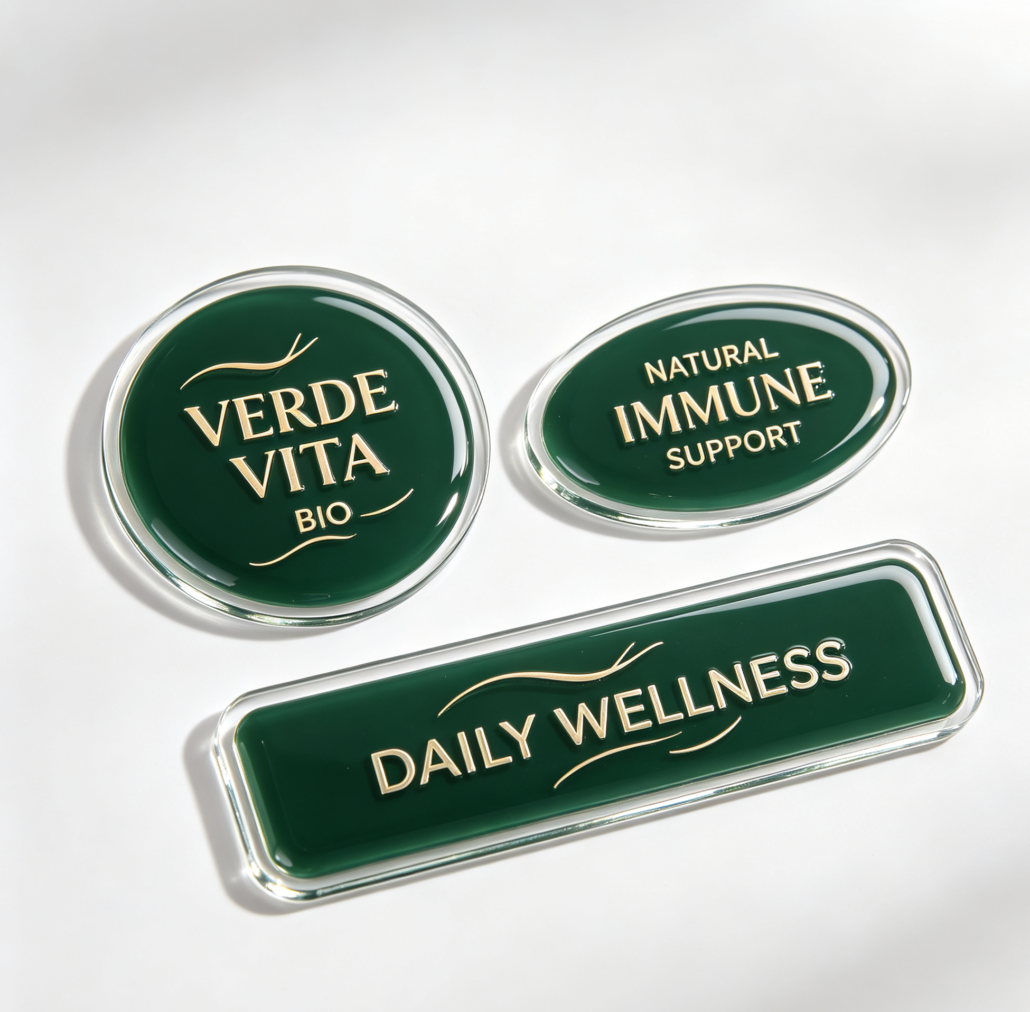
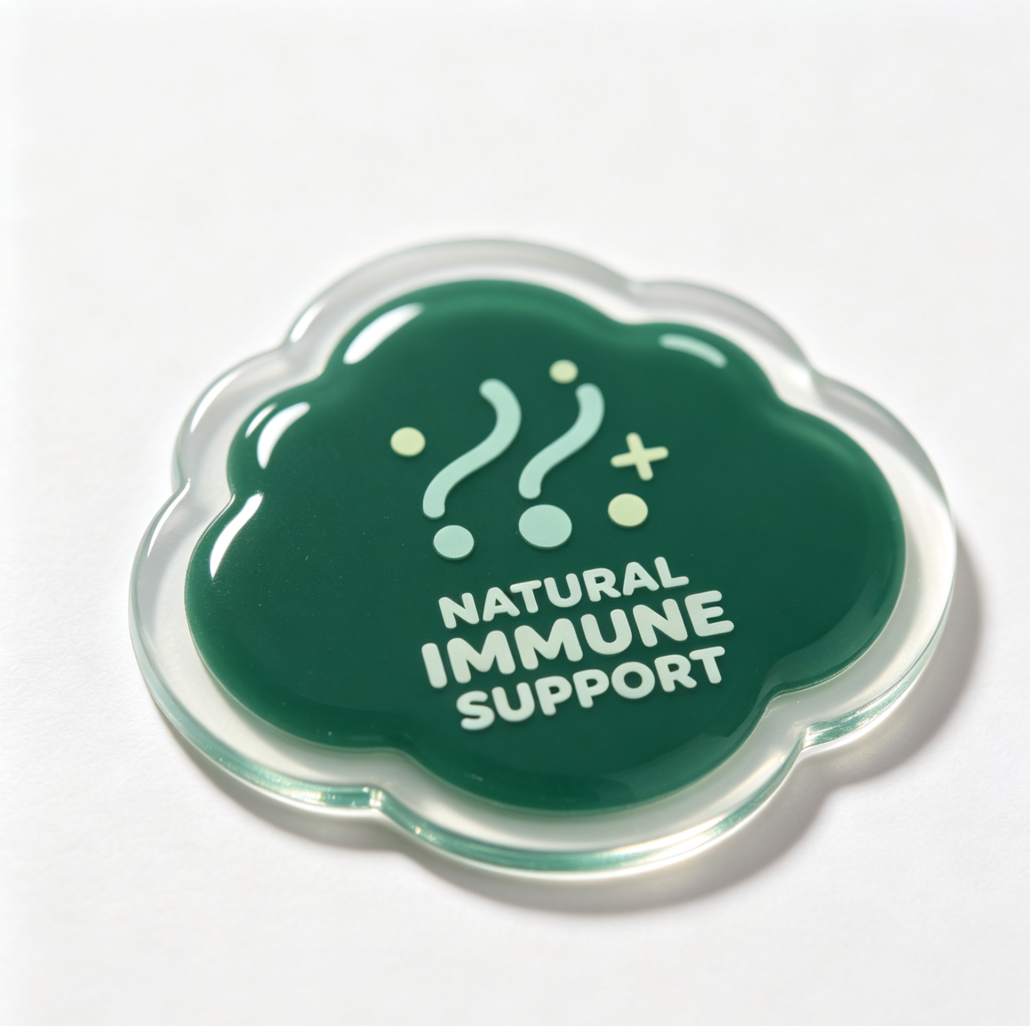
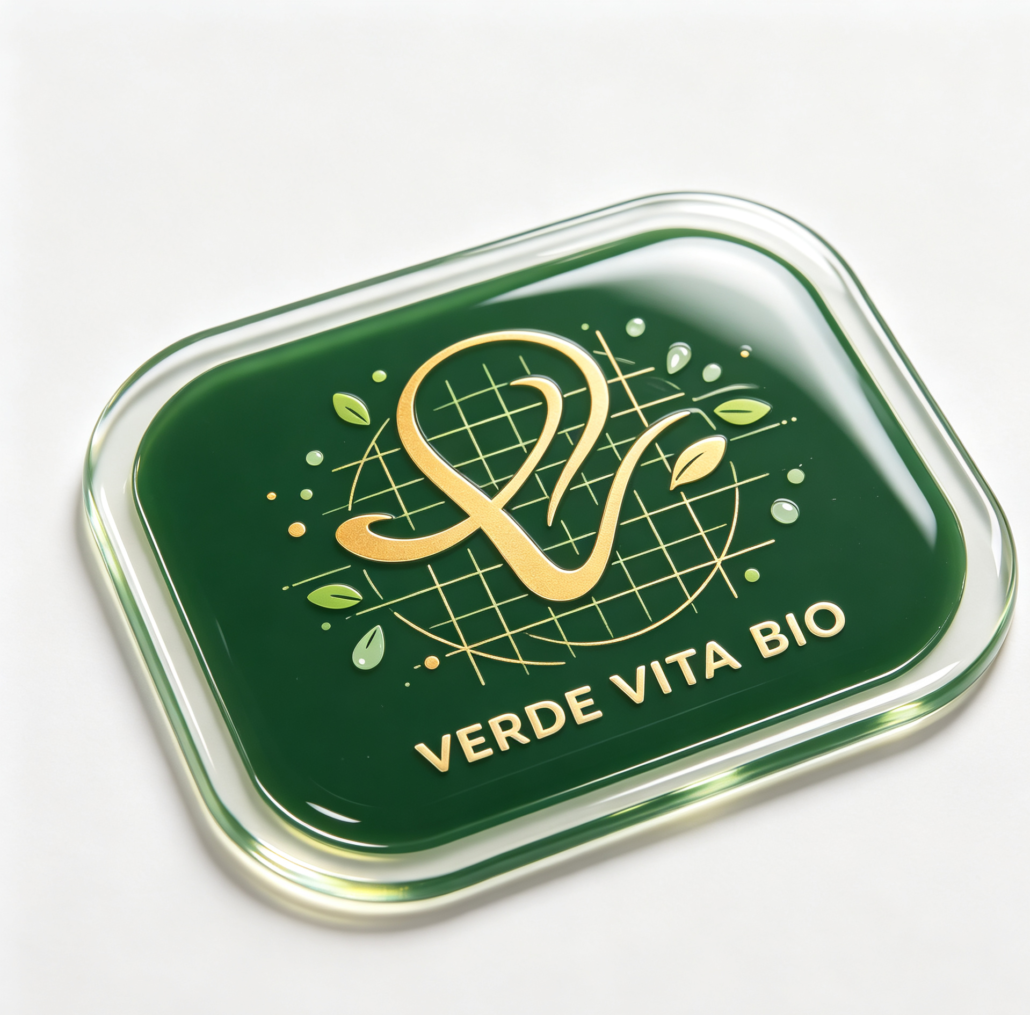
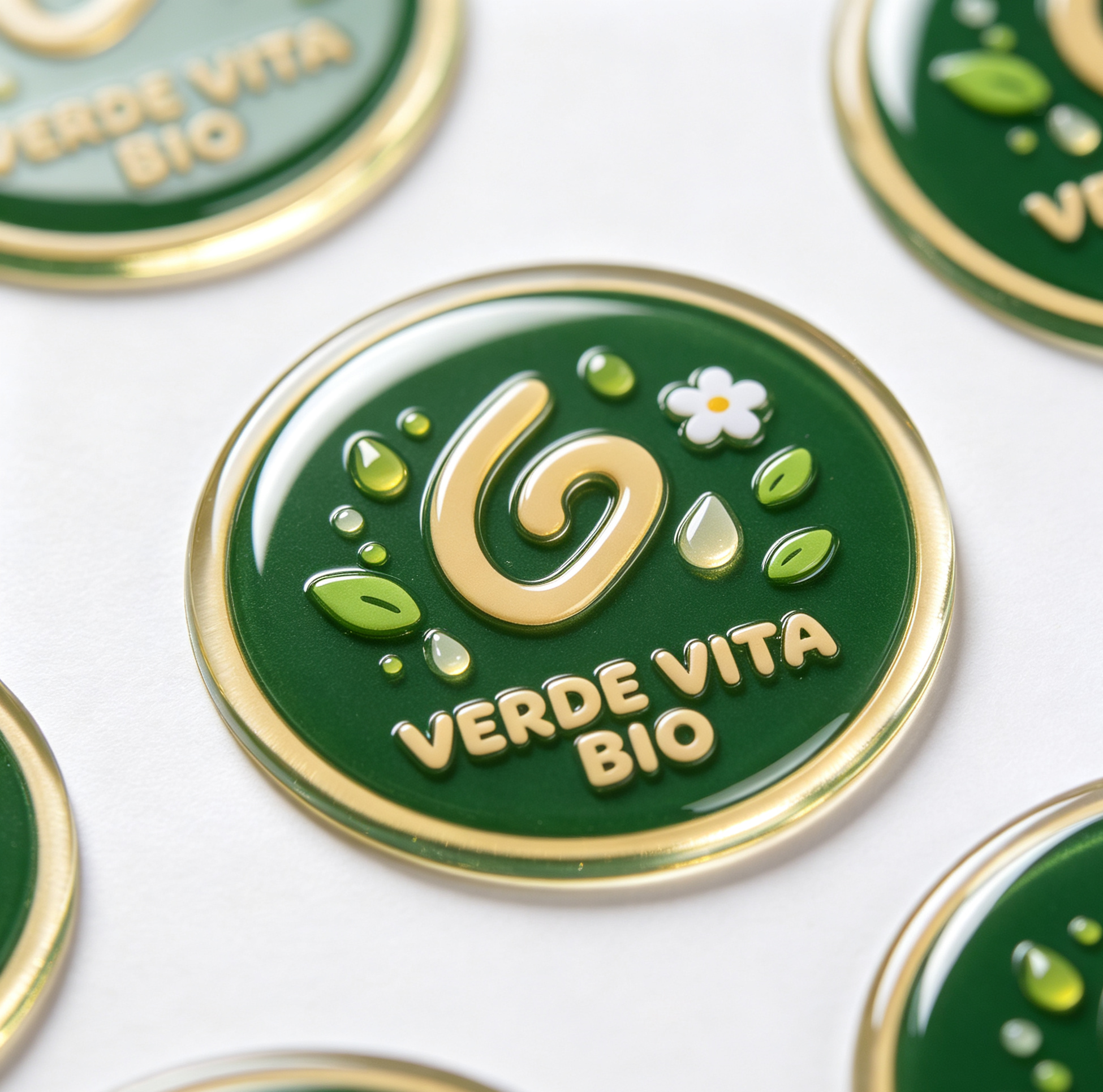
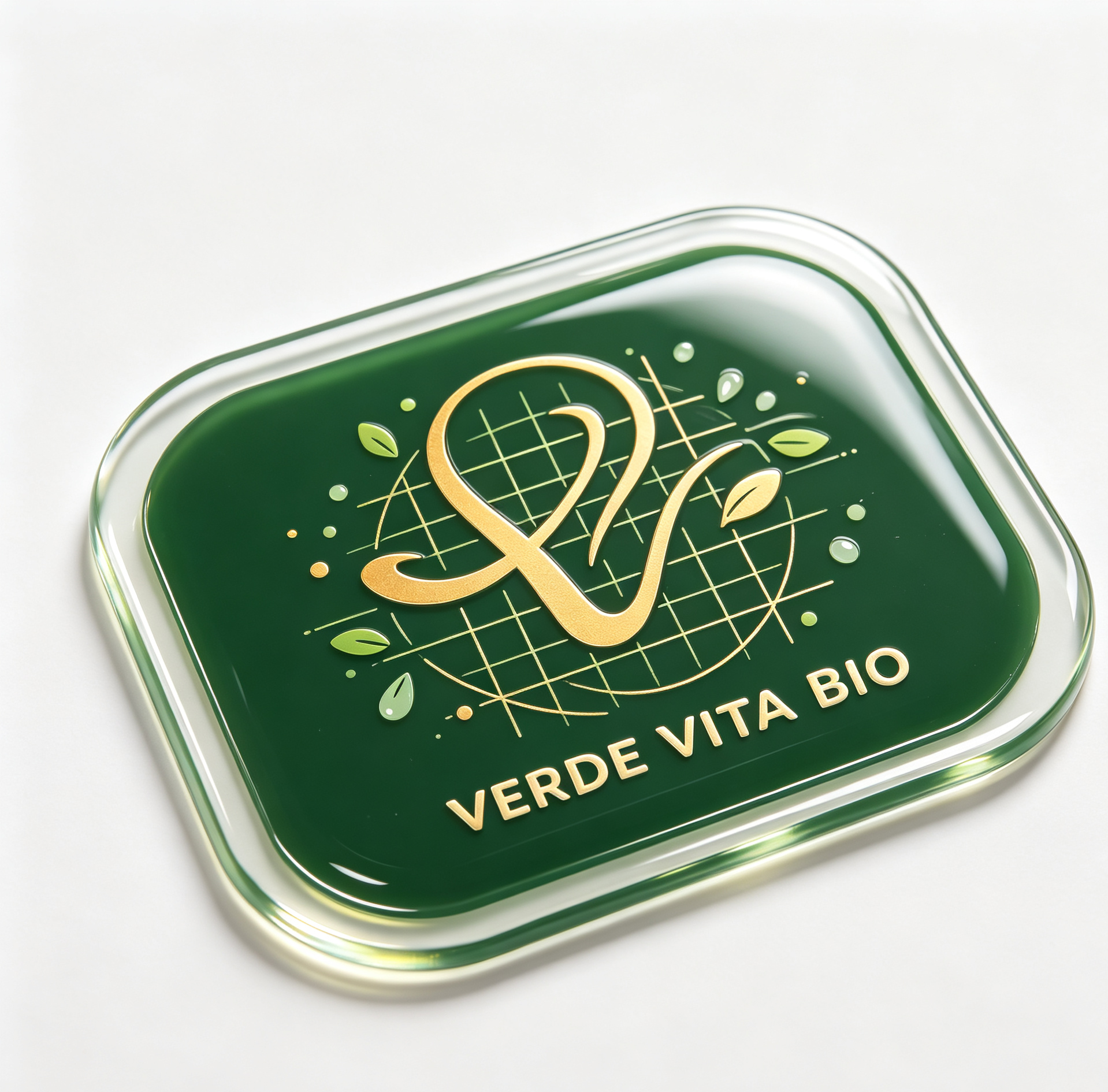
A custom epoxy resin shape dome label is a premium 3D bottle decoration made by printing a logo, artwork, or brand message onto a label substrate and covering it with a transparent resin dome. The raised surface creates a glossy, lens-like look that makes the label feel more like a small brand badge than a flat sticker.
For wine, spirits, cosmetics, sauces, beverages, gift bottles, and premium packaging, dome labels help a brand make a bottle more noticeable without changing the bottle itself.
However, successful bottle decoration is not simply a matter of adding resin to a printed sticker. The bottle curvature, label dimensions, substrate, adhesive, dome thickness, resin formula, artwork, and application temperature all affect the final result.
This guide explains how to develop a custom shape dome label for bottles, including specifications, materials, manufacturing, application, quality control, cost factors, and practical experience from a manufacturer’s perspective.
What Is a Custom Epoxy Resin Dome Label?
A dome label is a multilayer decorative label consisting of:
- Base substrate
- Printed artwork
- Protective ink or coating
- Clear resin dome
- Pressure-sensitive adhesive
- Release liner
The resin is dispensed onto the printed surface and allowed to self-level. Surface tension causes the liquid resin to form a rounded profile before curing. This creates the characteristic raised 3D appearance of a domed label.
For bottle decoration, the label can be produced in almost any practical outline, including:
- Round
- Oval
- Square
- Rounded rectangle
- Shield
- Crest
- Drop
- Leaf
- Wine bottle silhouette
- Brand logo
- Custom die-cut shape
The biggest visual difference from a normal label is the depth. Instead of seeing only printed ink, the customer sees a transparent raised surface that can make colors appear deeper and the logo more tactile.
Why Use Dome Labels for Bottle Decoration?
A flat paper or film label can provide excellent graphics, but it usually feels like packaging.
A dome label adds another visual and tactile layer.
1. A premium 3D appearance
The transparent resin acts almost like a small lens over the printed artwork. This gives logos and decorative graphics more visual depth.
For premium spirits, wine, cosmetics, and gift products, this can help the packaging look more expensive without requiring a molded plastic badge.
2. Better tactile branding
Consumers can actually feel the raised logo or pattern when touching the bottle.
This is particularly useful for:
- Premium wine
- Whisky
- Vodka
- Gin
- Perfume
- Skincare
- Gift bottles
- Craft beverages
- Limited-edition products
3. Protection for the printed surface
The resin dome provides a physical barrier over the printed artwork. Domed labels are commonly used where protection against handling, moisture, abrasion, and environmental exposure is important.
4. Custom shapes increase differentiation
A standard rectangular label can look similar to competing products.
A custom-shaped dome can follow the brand’s visual identity.
For example:
| Bottle Product | Recommended Dome Shape |
|---|---|
| Premium whisky | Shield / crest |
| Wine | Oval / grape / custom logo |
| Gin | Botanical or circular |
| Perfume | Brand logo / geometric |
| Craft beer | Round / irregular die-cut |
| Olive oil | Leaf / oval |
| Gift liquor | Gold emblem / custom crest |
| Cosmetic bottle | Logo / geometric shape |
The objective is not simply to make the label unusual. The shape should support the bottle’s overall visual hierarchy.
Epoxy Resin vs. Polyurethane Resin: An Important Specification
One of the first questions buyers should clarify is what the supplier means by “epoxy dome.”
In the label industry, “epoxy dome,” “resin dome,” “3D dome sticker,” and “domed label” are sometimes used as commercial product names even when the actual clear doming material is polyurethane.
This distinction matters.
Some manufacturers specifically use polyurethane because it can offer better flexibility and outdoor resistance, while epoxy systems may become harder and can yellow or shrink depending on formulation and exposure conditions.
For a bottle decoration project, ask the supplier to specify:
- Actual resin chemistry
- UV resistance
- Yellowing resistance
- Hardness
- Flexibility
- Curing method
- Chemical resistance
- Recommended service temperature
- Expected outdoor exposure
Do not specify only “clear epoxy” when requesting a quotation. Ask for the actual resin specification and intended application.
Recommended Specifications for Custom Bottle Dome Labels
There is no single universal specification because a 25 mm logo on a curved perfume bottle requires a different construction from a 100 mm decorative badge on a flat gift box.
As a practical starting point:
| Specification | Recommended Range / Options |
|---|---|
| Label size | Approximately 15–150 mm depending on bottle and design |
| Dome thickness | Commonly around 0.8–2.5 mm |
| Larger dome applications | Up to approximately 3–4 mm may be possible depending on geometry |
| Base material | PET, PVC, vinyl, synthetic paper, metallic film |
| Printing | CMYK, Pantone, UV, digital, screen printing |
| Resin | Clear epoxy or polyurethane-type doming resin |
| Shape | Round, oval, rectangle, logo, custom die-cut |
| Adhesive | Permanent acrylic / high-tack / application-specific |
| Liner | Paper or film release liner |
| Finish | High gloss, transparent, metallic, colored effects |
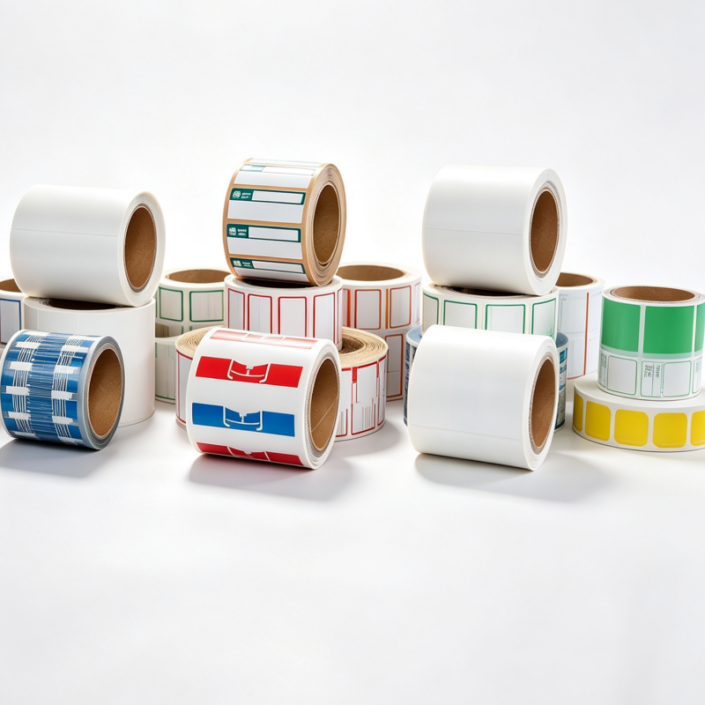
| Supply format | Individual, sheets or rolls |
| Application surface | Glass, coated glass, PET, HDPE, metal and selected plastics |
Commercial dome-label suppliers commonly offer dome thicknesses around 0.8–2.0 mm, while other manufacturing systems can produce thicker domes depending on label size and resin flow.
These figures should be treated as engineering starting points rather than fixed standards.
For bottle decoration, we normally recommend developing the specification from the bottle itself rather than selecting a dome thickness first.
How to Choose the Right Shape for a Bottle
Shape selection sounds simple, but it can directly affect application quality.
Round bottles
Round glass bottles are generally suitable for:
- Round labels
- Oval labels
- Small logo badges
- Horizontal rectangular labels with controlled curvature
A small dome can conform to the bottle more easily than a large rigid decorative piece.
Square or rectangular bottles
These provide more relatively flat areas and therefore allow:
- Larger logo domes
- Shield shapes
- Large rectangular badges
- More complex decorative outlines
Narrow-neck bottles
Be careful when placing large domed labels around the neck.
The curvature changes rapidly in a small area, which can create:
- Edge lifting
- Adhesive stress
- Uneven contact
- Difficulty during automatic application
If the label contains a barcode, GS1 also has specific placement considerations for bottles. For example, GS1 notes that bottle/jar barcodes should not be placed on the neck and warns that curved surfaces can cause parts of a barcode to disappear around the curve.
Therefore, decorative dome labels and functional barcode labels do not necessarily need to occupy the same location.
How to Calculate the Label Size for a Bottle
For a cylindrical bottle, the circumference can be estimated as:
Circumference = π × Bottle Diameter
For example, if the bottle diameter is 70 mm:
70 × 3.1416 ≈ 220 mm
This gives approximately 220 mm of circumference.
However, that does not mean you should automatically manufacture a 220 mm long rigid dome label.
You need to consider:
- Bottle taper
- Label overlap
- Dome flexibility
- Application equipment
- Edge clearance
- Bottle shoulder
- Surface texture
- Curvature
For a decorative logo dome, a smaller front-facing label is often easier to apply than a full-wrap dome.
Practical recommendation
For a first production trial:
- Measure the bottle at the exact application height.
- Record the diameter at several points.
- Photograph the bottle.
- Mark the intended label location.
- Create a paper or flat-film mockup.
- Apply the prototype.
- Check edge lifting and visual alignment.
- Only then finalize the dome dimensions.
This simple prototype step can prevent a surprisingly expensive production mistake.
Choosing the Base Material
The resin is only one part of the label.
The substrate underneath the resin is equally important.
PET
PET is a strong choice when you need:
- Dimensional stability
- Good print quality
- Moisture resistance
- Premium appearance
- Good compatibility with clear or metallic effects
PVC / Vinyl
Vinyl is commonly selected when flexibility is important.
It can work well for:
- Curved bottles
- Decorative logos
- Promotional packaging
- Small-batch customized products
Synthetic paper
Synthetic paper can provide a paper-like appearance while offering better moisture resistance than conventional paper.
Metallic film
Metallic substrates are particularly attractive for premium bottles.
Options include:
- Silver
- Gold
- Brushed silver
- Mirror metallic
- Holographic effects
A transparent dome over a metallic base can create a visual effect similar to a miniature metal emblem.
The Best Adhesive Depends on the Bottle
This is one of the areas where inexperienced buyers often focus too much on the resin and not enough on the adhesive.
A bottle may be made from:
- Glass
- PET
- HDPE
- PP
- Metal
- Painted metal
- Coated glass
These surfaces do not have identical adhesion characteristics.
A good dome label supplier should ask:
What material is the bottle made from?
rather than simply offering one standard adhesive.
For glass bottles, a permanent acrylic adhesive may be suitable for many applications. For difficult plastics such as PP or PE, a specialized high-adhesion system may be required.
The surface condition also matters.
Dust, oil, condensation, mold-release contamination, and coating residues can reduce adhesion.
Printing Options for Custom Dome Labels
Digital printing
Digital printing is useful for:
- Short runs
- Multiple designs
- Variable artwork
- Prototypes
- Small brands
- Limited editions
It also reduces the need for conventional printing plates.
Screen printing
Screen printing is useful when the project requires:
- Strong solid colors
- High-opacity graphics
- Special inks
- Metallic effects
- High visual density
CMYK + Pantone
For brand-sensitive projects, ask whether the supplier can provide Pantone color matching.
This is particularly important when your dome label needs to match:
- Bottle caps
- Folding cartons
- Paper labels
- Outer packaging
- Existing brand colors
A Better Bottle Decoration Structure
For a premium product, I recommend thinking about the label as a layered packaging system rather than a single sticker.
For example:
Bottle → Primary printed label → Metallic/foil elements → Custom dome logo → Secondary information label
This allows the dome to become the visual focal point instead of forcing it to carry every piece of information.
For example, a premium whisky bottle could use:
- Large paper label for product information
- Gold foil for the product name
- Small custom dome crest for the brand logo
- Separate barcode on the rear label
- Tamper-evident closure on the bottle neck
This usually looks more sophisticated than putting all information into one oversized dome.
How Custom Shape Dome Labels Are Manufactured
A professional production process typically follows these stages.
Step 1: Artwork preparation
The customer supplies:
- AI
- EPS
- SVG
- High-resolution raster artwork
The manufacturer checks:
- Dimensions
- Bleed
- Safe area
- Fine text
- Color
- Shape
- Transparent areas
- Resin flow boundary
Step 2: Substrate selection
The base material is selected according to:
- Bottle material
- Curvature
- Moisture
- Temperature
- Expected handling
- Desired appearance
Step 3: Printing
The logo or artwork is printed onto the selected substrate.
For metallic or transparent materials, a white underbase may be required to maintain color density.
Step 4: Die cutting
The label is cut according to the approved custom shape.
Typical shapes include:
- Circle
- Oval
- Rectangle
- Rounded rectangle
- Logo outline
- Shield
- Completely custom contour
Step 5: Surface inspection
Before doming, inspect the printed label for:
- Color variation
- Scratches
- Ink adhesion
- Misregistration
- Dust
- Cutting defects
Step 6: Resin dispensing
A controlled amount of clear resin is deposited onto each label.
The resin naturally spreads and levels due to surface tension, forming the raised dome.
The amount of resin must be controlled carefully.
Too little resin produces a weak visual effect.
Too much can cause:
- Overflow
- Irregular edges
- Uneven thickness
- Contamination between labels
- Poor curing
Step 7: Curing
The resin is cured under controlled conditions.
Depending on the formulation and production process, curing may take several hours. Some commercial doming systems report curing windows ranging from roughly 2 to 24 hours, depending on the resin system and process.
Step 8: Final QC
Finished labels should be inspected for:
- Bubbles
- Dust
- Craters
- Resin overflow
- Yellowing
- Incomplete curing
- Edge defects
- Shape accuracy
- Adhesive coverage
Step 9: Packing
The finished labels can be supplied as:
- Individual pieces
- Sheets
- Rolls
- Kiss-cut sheets
- Custom export cartons
The best format depends on whether bottles are labeled manually or by machine.
Quality Control: What We Recommend Testing
For bottle decoration, visual inspection alone is not enough.
A proper sample approval should include both label testing and bottle testing.
1. Adhesion test
Apply the label to the actual bottle.
Check after:
- 1 hour
- 24 hours
- 72 hours
Look for:
- Edge lifting
- Bubble formation
- Peeling
- Adhesive migration
2. Condensation test
This is especially important for:
- Wine
- Beer
- Soft drinks
- Refrigerated beverages
- Chilled spirits
Put the labeled bottle into the intended cold environment and observe whether condensation affects the adhesive.
A label that performs perfectly on a dry sample may behave differently on a chilled bottle.
3. Water resistance
Expose the label to:
- Water
- Condensation
- Wet handling
- Repeated wiping
4. Scratch test
Test whether normal handling causes visible damage to the dome.
5. Chemical exposure
For cosmetics, spirits, oils, or industrial bottles, test against the chemicals likely to contact the label.
6. UV exposure
If the bottle will be displayed near sunlight or outdoors, test:
- Resin clarity
- Ink fading
- Color change
- Adhesive performance
Do not assume that every “epoxy dome” has identical UV resistance. Resin chemistry and formulation make a significant difference.
My Experience: The Most Common Mistakes in Dome Bottle Labels
After dealing with custom label development, several mistakes appear repeatedly.
Mistake 1: Choosing the shape before checking the bottle
A beautiful logo shape may not work well on a curved bottle.
Better solution: Send the actual bottle dimensions or a sample bottle before mass production.
Mistake 2: Making the dome too large
Large domed labels look impressive in the design file but can become difficult to apply on curved surfaces.
Better solution: Test a small prototype first.
Mistake 3: Using the cheapest adhesive
The resin can remain perfect while the entire label falls off because the adhesive is wrong.
Better solution: Match adhesive to the bottle substrate.
Mistake 4: Ignoring condensation
A refrigerated beverage bottle can develop substantial surface moisture.
Better solution: Perform an actual cold-bottle adhesion test before mass production.
Mistake 5: Using tiny text inside the dome
The dome visually magnifies the artwork, but that does not mean extremely small text becomes easier to read.
Better solution: Use the dome mainly for logos, icons, emblems and short decorative text.
Mistake 6: Treating decorative and functional labels as the same thing
A dome logo is excellent for branding, but it is not automatically the best location for a barcode, legal information, nutrition panel, or variable-data code.
Better solution: Separate visual branding from regulatory and machine-readable information.
Custom Dome Label Specification Example
For a premium liquor bottle, a practical starting specification could look like this:
| Item | Example Specification |
|---|---|
| Product | Custom 3D dome bottle label |
| Shape | Custom brand-logo shape |
| Size | 35 × 45 mm |
| Base | White PET or metallic PET |
| Printing | CMYK + Pantone |
| Dome | Clear resin |
| Dome height | Approximately 1.2–2.0 mm |
| Adhesive | Permanent acrylic |
| Bottle | Glass |
| Surface | Smooth coated glass |
| Finish | High-gloss 3D |
| Application | Manual or semi-automatic |
| Packing | 100–500 pcs/sheet or customized |
| Inspection | Visual + adhesion + condensation testing |
This is an example engineering specification, not a universal standard. The final dimensions should be confirmed against the actual bottle.
How Much Do Custom Epoxy Dome Labels Cost?
There is no single fixed price because dome labels have more production variables than ordinary stickers.
The major cost factors are:
- Label size
- Quantity
- Shape complexity
- Substrate
- Printing method
- Resin type
- Dome thickness
- Adhesive
- Metallic or specialty finish
- Packaging
- Proofing and sampling
- Application requirements
A 20 mm circular logo and a 120 mm irregular bottle badge can require very different amounts of resin and processing time.
Likewise, a 10,000-piece standard shape is much easier to manufacture than a small run with ten different custom shapes.
For B2B purchasing, the best way to request a quotation is to provide:
- Bottle photos
- Bottle material
- Label dimensions
- Label shape
- Quantity
- Artwork
- Application method
- Required adhesive
- Indoor/outdoor environment
- Temperature conditions
- Desired resin finish
This allows the manufacturer to quote the complete construction, rather than giving you a misleading price based only on label area.
Problems Solved by Dome Labels
Elevate Brand Image
The crystal-clear 3D texture makes products stand out from competitors, reinforcing a premium brand impression.
Extend Label Lifespan
The protective resin layer greatly improves abrasion and weather resistance, reducing costs associated with label damage or replacement.
Meet Outdoor Durability Requirements
For products exposed to prolonged sunlight, rain, or humidity, dome labels offer a more reliable long-term identification solution.
Support Flexible Product Customization
Versatile shape and process combinations help customers achieve personalized label designs suited to different industries and use cases.
How to Reduce the Cost Without Losing the Premium Look
If the project is price-sensitive, consider these options.
Option 1: Reduce dome size
Instead of covering the entire bottle label with resin, use the dome only over the brand logo.
This can dramatically reduce resin consumption.
Option 2: Use a standard shape
Round and rectangular labels are easier to produce than complex custom contours.
Option 3: Use one common size
If several products share a common bottle family, standardizing the dome size can simplify production.
Option 4: Use digital printing for smaller runs
Digital printing can be more practical for short and medium runs where traditional plate costs are difficult to justify.
Option 5: Combine flat and dome elements
A highly effective packaging strategy is:
Flat printed label + foil decoration + small 3D dome logo
This can create a premium appearance without turning the entire label into a resin product.
Is a Dome Label Suitable for Your Bottle?
A custom shape dome label is particularly suitable when your objective is:
- Premium brand presentation
- 3D visual effects
- Tactile branding
- Small logo badges
- Gift packaging
- Limited-edition packaging
- High-end wine or spirits
- Cosmetic bottles
- Promotional bottles
- Decorative product identification
It may not be the best solution when:
- The label must wrap around a very tight radius
- The label must be extremely thin
- The product requires a very low-cost disposable label
- The bottle surface is heavily textured
- The label must carry a large amount of information
- High-speed automated application requires a specialized label format
In those situations, a conventional film label, pressure-sensitive label, shrink sleeve, or printed packaging solution may be more appropriate.
Buyer Checklist for Custom Dome Bottle Labels
Before placing a bulk order, confirm these 12 points with your supplier:
- What resin is actually used?
- What is the finished dome thickness?
- What base material is recommended for my bottle?
- What adhesive is used?
- Is the adhesive suitable for glass, PET, PP or HDPE?
- Can you produce my exact custom shape?
- Can you match Pantone colors?
- Can you provide a physical sample?
- Have you tested the label on my actual bottle?
- How does it perform under condensation?
- What is the recommended storage and application temperature?
- Can the finished labels be supplied in the format required by our labeling process?
A supplier that can answer these questions clearly is usually much safer to work with than one that simply provides a low unit price.
Recommended Customization Workflow
For international B2B buyers, I recommend this workflow:
Bottle information → Artwork → Material recommendation → Digital proof → Physical prototype → Bottle application test → Specification confirmation → Mass production → QC → Export packing
Do not skip the prototype stage for a new bottle.
A few prototype labels are inexpensive compared with the cost of discovering after mass production that the adhesive does not work, the dome is too thick, or the shape does not follow the bottle curvature.
Frequently Asked Questions
Are epoxy dome labels waterproof?
The cured dome itself can provide strong resistance to water and moisture, but the complete label’s performance also depends on the substrate and adhesive. For chilled bottles, condensation testing should be performed using the actual bottle and adhesive construction.
Can I customize the shape of the dome label?
Yes. Custom die-cut shapes are one of the main advantages of dome labels. Logos, shields, circles, ovals, rectangles and irregular brand shapes can all be developed.
Can dome labels be used on glass bottles?
Yes. Glass is generally a suitable surface for pressure-sensitive decorative labels, provided that the adhesive is selected correctly and the bottle surface is clean.
What is the normal dome thickness?
Many commercial resin dome labels use approximately 0.8–2.0 mm, while some larger applications can use thicker domes. The appropriate thickness depends on label size, shape, curvature and desired appearance.
Can I use dome labels on wine bottles?
Yes. They can be used as decorative logo badges, bottle emblems, premium branding elements and limited-edition packaging. For refrigerated products, always test condensation and adhesive performance.
Can the dome label be gold or silver?
Yes. Gold and silver effects can be achieved through metallic substrates, foil, specialty inks or other decorative processes. A transparent dome can then be applied over the artwork to create additional visual depth.
Are dome labels suitable for outdoor applications?
Some resin systems are designed for UV and outdoor exposure, but performance depends on the resin, ink, substrate and adhesive. Do not assume that every epoxy dome has the same outdoor durability. Polyurethane systems are commonly selected when flexibility and UV resistance are important.
Can I order a small quantity for testing?
Many custom label manufacturers can produce prototypes or smaller production runs. For B2B projects, it is better to request a sample first and approve the construction before committing to a large order.
Can dome labels be applied automatically?
Potentially, yes. The supply format, liner, spacing, label orientation, peel characteristics and adhesive all need to be designed around the labeling equipment. If automatic application is planned, provide the machine specifications before production.
Final Recommendation
A Custom Epoxy Resin Material Shape Dome Label for Bottle Decoration is more than a glossy sticker. It is a combination of printed graphics, substrate engineering, resin doming, adhesive selection and bottle-surface compatibility.
For premium bottles, the strongest approach is usually not to make the entire label thick and expensive. Instead, use the dome strategically—often as a raised logo, emblem, crest or decorative focal point—while using conventional printing for information that does not need a 3D effect.
For a new project, start with the actual bottle, define the label size and shape, select the substrate and adhesive, produce a physical sample, and test it under the real conditions the bottle will experience.
That process gives you a much better chance of achieving the three things buyers actually want: a premium appearance, reliable adhesion, and consistent mass-production quality.


Leave a Reply
Want to join the discussion?Feel free to contribute!