Custom Red Wine Beer Labels
Wine Labels Specifications
| Item | Details |
|---|---|
| Product Type | Custom Wine Labels |
| Material | Wine Paper, Textured Paper, Coated Paper, Synthetic Paper, PP, PET |
| Printing Method | Digital Printing, Flexo Printing, Offset Printing, UV Printing |
| Adhesive Type | Permanent Adhesive, Removable Adhesive, Cold Resistant Adhesive |
| Surface Finish | Matte, Glossy, Embossing, Foil Stamping, UV Coating, Lamination |
| Color | CMYK, Pantone Color, Customized |
| Shape | Rectangle, Oval, Round, Custom Shape |
| Size | Customized According to Bottle Dimensions |
| Application | Wine Bottles, Champagne Bottles, Beverage Packaging |
| MOQ | Flexible Production Quantity |
A wine label is more than a decorative element on a bottle. It identifies the wine, communicates essential product information, supports brand recognition, and creates the first visual impression for consumers. For wineries, wine brands, distributors, event planners, and private customers, a custom wine label provides an opportunity to combine product information with distinctive branding and personalized design.
Custom wine labels can be produced in different materials, sizes, finishes, adhesives, and printing styles depending on the bottle shape, storage conditions, application method, and target market. A professional label manufacturer can help customers select the right solution for standard 750ml wine bottles, refrigerated wines, humid environments, wedding favors, birthday gifts, limited editions, and new wine brands.
What Is a Wine Label?
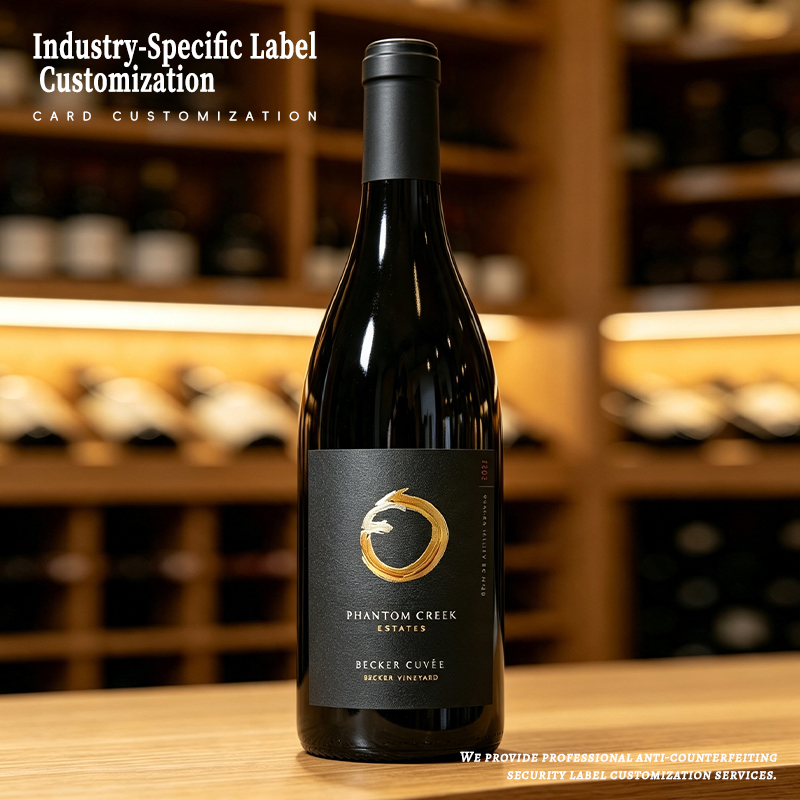
A wine label is a printed label attached to a wine bottle to provide product identification, branding, and relevant information. Depending on the market and regulatory requirements, a wine label may contain information such as the wine brand, product name, wine type, alcohol content, volume, origin, producer information, vintage, lot number, barcode, and other required details.
From a branding perspective, the label is one of the most visible elements of wine packaging. Consumers often see the label before they evaluate the bottle itself, making typography, colors, illustrations, paper texture, and finishing important parts of the overall product presentation.
A custom wine label allows wineries and businesses to control these visual and functional elements. Instead of using a standard template, buyers can specify the label shape, dimensions, material, adhesive, artwork, printing colors, surface finish, and special effects.
For premium wine products, options such as hot stamping, embossing, textured paper, metallic effects, matte coatings, and high-resolution printing can create a more distinctive appearance.
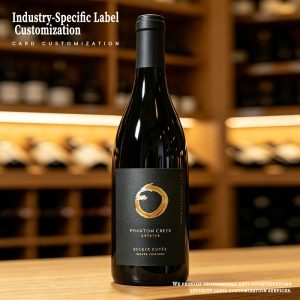
Wine Bottle Label Size
The 750ml wine bottle is one of the most common bottle formats, but bottle dimensions can vary by bottle style and manufacturer. Therefore, the label size should always be confirmed against the actual bottle before mass production.
For many standard 750ml wine bottles, a front label may commonly fall within a range of approximately 90–110 mm wide and 100–130 mm high, although smaller or larger designs are also possible. Back labels are often narrower or shorter depending on the available bottle surface and information requirements.
For example, a winery may choose:
- Front label: approximately 100 × 120 mm
- Back label: approximately 70–90 × 90–120 mm
- Neck label: approximately 25–40 × 70–100 mm
These are design reference ranges rather than mandatory standards.
Before ordering custom wine labels, buyers should provide the bottle diameter, height, shoulder shape, available labeling area, and application method. If possible, supplying a physical bottle or detailed bottle drawings allows the label manufacturer to optimize dimensions and avoid wrinkles, lifting, or excessive overlap.
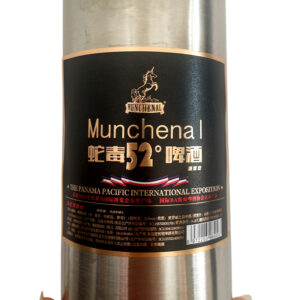
Can Wine Labels Be Used in Different Environments?
Yes, but the material and adhesive must match the environment.
Wine bottles can experience significant changes in temperature and humidity during production, transportation, storage, retail display, and consumer use. A label that performs well under normal room-temperature conditions may not perform equally well inside a refrigerator or ice bucket.
Natural and Room-Temperature Environments
For wine stored in normal indoor conditions, conventional wine label papers and permanent adhesives are often sufficient.
Typical conditions may include:
- Approximately 15–30°C
- Normal indoor humidity
- Warehouse storage
- Retail shelves
- Restaurants and wine shops
- Home storage
For these applications, buyers can focus more heavily on appearance, texture, color reproduction, and brand presentation.
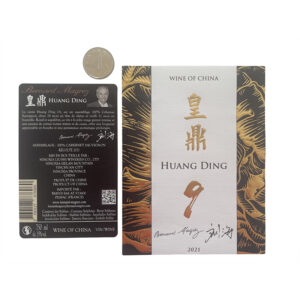
Refrigerated Environments
Wine labels used on chilled bottles require greater consideration of moisture and condensation.
A bottle taken from a refrigerator can develop condensation on its surface. When the label becomes wet repeatedly, unsuitable paper or adhesive may wrinkle, curl, lose adhesion, or become damaged.
For refrigerated applications, manufacturers can recommend:
- Moisture-resistant label materials
- Synthetic papers
- PET or PP materials
- Water-resistant coatings
- Suitable permanent adhesives
- Protective varnishes or laminations
White wine, sparkling wine, rosé, and other products commonly served chilled may benefit from a label construction designed specifically for cold and wet conditions.
Ice Buckets and High-Humidity Conditions
Ice buckets create an even more demanding environment because the bottle may remain surrounded by water, melted ice, and condensation for an extended period.
If a wine brand expects its bottles to be displayed in ice buckets at restaurants, hotels, weddings, events, or premium hospitality venues, it should communicate this requirement to the label manufacturer before production.
A suitable combination of substrate, coating, printing technology, and adhesive can significantly improve label durability in these conditions.
How to Custom Wine Label?
The custom wine label process normally starts with the product requirements and ends with mass production.
Step 1: Define the Wine Bottle
First, determine the bottle type and size. For a 750ml bottle, provide the bottle dimensions and labeling area whenever possible.
Important information includes:
- Bottle diameter
- Bottle height
- Labeling position
- Bottle material
- Surface curvature
- Front and back label areas
- Manual or automatic labeling
Step 2: Choose the Label Material
Material selection should balance appearance, performance, and cost.
For premium wines, textured and specialty papers can create a traditional or luxury appearance. For refrigerated products, synthetic materials or moisture-resistant constructions may provide better performance.
Step 3: Create the Artwork
The artwork should include the brand logo, product name, graphics, colors, typography, and required product information.
For professional printing, artwork should normally be supplied in a high-resolution or vector format. The manufacturer can review the artwork and identify potential problems with dimensions, small text, bleed, or finishing areas before production.
Step 4: Select Printing and Finishing
Printing can be combined with finishing techniques to create different visual effects.
Popular choices include:
- CMYK full-color printing
- Pantone spot colors
- Gold or silver hot stamping
- Embossing
- Debossing
- Matte coating
- Gloss coating
- Soft-touch finishing
- Metallic effects
- Textured surfaces
For premium wine brands, combining textured paper with embossing and metallic foil can create a strong shelf presence without requiring complicated packaging structures.
Step 5: Produce a Sample
Sampling is strongly recommended for custom wine labels.
A physical sample allows buyers to evaluate:
- Actual color
- Paper texture
- Adhesion
- Label dimensions
- Bottle fit
- Finishing effects
- Moisture resistance
- Overall appearance
For chilled wines, environmental testing should also be considered before approving a large production order.
Step 6: Mass Production and Quality Control
After sample approval, the manufacturer can proceed with bulk production.
Quality control should cover raw materials, printing, color consistency, die cutting, adhesive performance, finishing, label dimensions, and packaging.
For large wine brands and distributors, standardized specifications and approved samples are especially important for maintaining consistency across repeat orders.
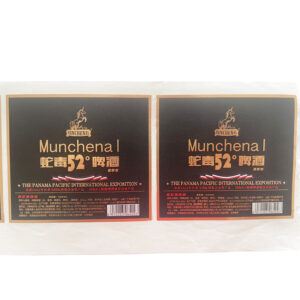
Custom Wine Labels for Weddings
Custom wine labels are popular for weddings because wine bottles can become both functional gifts and personalized decorations.
A wedding wine label can include:
- Couple’s names
- Wedding date
- Initials
- Wedding logo
- Short message
- Venue name
- Table number
- Custom illustration
- Thank-you message
For wedding favors, smaller labels can be designed for wine bottles used as guest gifts. For reception tables, custom labels can also be coordinated with the wedding invitation, flowers, menus, and overall color scheme.
Because wedding wine labels are often produced for a specific event, short-run digital printing can be an attractive option. Buyers can create different versions for different tables, guests, or wine selections.
 Personalized Wine Labels for Birthday
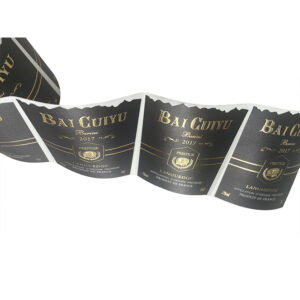 Personalized Wine Labels for Birthday
A personalized wine label can turn an ordinary bottle into a memorable birthday gift.
Birthday wine labels may include the recipient’s name, age, birthday date, photograph, personalized message, or humorous artwork. They can be designed for milestone birthdays such as 18th, 21st, 30th, 40th, 50th, or 60th celebrations, depending on local legal requirements for alcohol products.
For gift applications, the label does not necessarily need to replace all legally required wine information. A personalized decorative label can also be applied alongside the original product label or positioned as an additional front or back label.
This provides a practical way to personalize a commercially produced wine bottle without changing the wine itself.
Create Your Own Wine Brand
For entrepreneurs launching a wine brand, custom labels are one of the most important packaging investments.
A new wine brand needs more than an attractive logo. The label should communicate the brand’s positioning, target market, product characteristics, and price level within seconds.
A premium wine brand may choose textured paper, restrained typography, embossing, and metallic details. A modern lifestyle wine brand may prefer bold colors, illustrations, minimalist graphics, or unconventional die-cut shapes.
When creating your own wine brand, consider the following:
- Brand positioning – Decide whether the wine is premium, affordable, organic, boutique, modern, traditional, or lifestyle-oriented.
- Target customers – Design according to the preferences of the intended market.
- Bottle compatibility – Make sure the label dimensions and shape match the bottle.
- Environmental conditions – Determine whether the wine will be refrigerated or exposed to condensation.
- Regulatory information – Confirm the labeling information required in your target market.
- Production volume – Select a printing method suitable for your expected order quantity.
- Future product expansion – Create a visual system that can be extended to different wines, vintages, or flavors.
A professional custom label manufacturer can help transform a brand concept into a production-ready label while balancing aesthetics, durability, and manufacturing cost.
How Much Do Custom Wine Labels Cost?
The cost of custom wine labels depends on several factors rather than a single fixed price.
Key cost factors include:
- Label size
- Material
- Order quantity
- Printing colors
- Printing method
- Die-cutting
- Adhesive type
- Hot stamping
- Embossing
- Lamination or coating
- Variable data
- Packaging requirements
Large-volume orders generally provide better unit economics, while highly customized short runs may have a higher cost per label.
Perfect Label gives factory prices ranging from $0.1 to $0.7.
For B2B procurement, it is useful to request a quotation based on the complete specification rather than comparing unit prices alone. A lower-cost label may not be suitable if it fails under refrigeration, develops condensation damage, or requires frequent replacement.
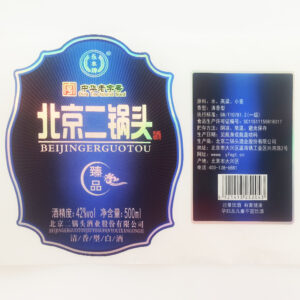
Custom Wine Label vs. Standard Wine Label
The main difference is flexibility.
A standard label may use predetermined materials, dimensions, and designs. It can be suitable for simple applications where branding requirements are limited.
A custom wine label gives the buyer greater control over:
- Brand identity
- Label dimensions
- Shape
- Material
- Adhesive
- Printing
- Finishing
- Security features
- Variable information
- Environmental performance
For wineries and private-label wine companies, customization can create stronger product differentiation. For event organizers and gift buyers, it provides personalization. For distributors and packaging companies, customized specifications can support different customer requirements.
Choosing a Custom Wine Label Manufacturer
When sourcing custom wine labels, buyers should evaluate more than price.
A reliable supplier should be able to demonstrate:
- Experience with wine and beverage labels
- Stable printing quality
- Suitable material options
- Environmental performance testing
- Flexible customization
- Professional prepress support
- Reliable production capacity
- Clear quality-control procedures
- Consistent repeat-order performance
- Responsive communication
For large B2B projects, it is also useful to request samples before mass production. Testing the label on the actual bottle under real storage and handling conditions can identify potential problems before they become expensive production issues.
The right custom wine label is therefore a combination of visual design, material engineering, adhesive performance, printing quality, and application requirements. Whether the goal is to launch a new wine brand, upgrade premium packaging, prepare wedding favors, create personalized birthday gifts, or supply wine labels for refrigerated products, a well-designed custom label can improve both product presentation and practical performance.
FAQ
Can Perfect Label customize wine labels for different bottle sizes?
Yes. Perfect Label provides fully customized wine labels based on the actual bottle dimensions and labeling area. We can produce front labels, back labels, neck labels, seals, and custom die-cut shapes for 375ml, 500ml, 750ml, 1.5L, and other bottle formats. We recommend providing the bottle dimensions or drawings so our team can optimize the label size before production.
What materials can Perfect Label use for custom wine labels?
We offer a wide range of label materials, including coated paper, textured wine paper, specialty papers, synthetic materials, PET, PP, and other customized substrates. Material selection depends on the desired appearance, bottle surface, adhesive requirements, storage conditions, and budget.
Are your custom wine labels suitable for refrigerated bottles?
Yes. For wines stored in refrigerators or exposed to condensation, we can recommend moisture-resistant materials, coatings, and adhesives designed for chilled environments. If the bottles will be placed in ice buckets or exposed to high humidity, please inform us before production so we can select a more suitable label construction.
What finishing options are available for premium wine labels?
Perfect Label provides multiple finishing options to create distinctive wine packaging. These include hot stamping, embossing, debossing, matte and gloss coatings, special textures, metallic effects, and other decorative techniques. We can combine different processes according to your artwork and target positioning.
Can Perfect Label produce personalized wine labels for weddings and birthdays?
Yes. We support short-run and customized wine labels for weddings, birthdays, anniversaries, corporate events, and other occasions. Customers can add names, dates, messages, photographs, illustrations, logos, or event-specific artwork to create personalized wine bottles.
Can you provide samples before mass production?
Yes. We recommend approving a physical sample before large-volume production, particularly for premium wine labels or projects involving special materials and finishing. Samples allow you to check dimensions, colors, paper texture, adhesive performance, and the overall appearance on the actual bottle.
What information should we provide for a custom wine label quotation?
Please provide the bottle size, label dimensions, quantity, material preference, artwork, printing requirements, finishing effects, adhesive requirements, and application environment. If you are unsure about the material or size, our team can recommend a suitable specification based on your bottle and application.
an Perfect Label handle large-volume and repeat wine label orders?
Yes. Perfect Label has 25 years of printing and labeling experience, a 5,000㎡ intelligent manufacturing facility, and large-scale printing and converting equipment. Our production capacity supports both customized projects and high-volume B2B orders. We can also maintain approved specifications for repeat orders to help ensure consistent color, dimensions, materials, and finishing quality.
Customer Reviews
★★★★★ Australia
We ordered custom wine labels for our new 750ml wine bottles. Perfect Label helped us choose the right paper and adhesive for refrigerated storage. The printing was sharp, the colors matched our brand artwork, and the labels remained firmly attached even with condensation.
★★★★★ France
We wanted a premium look for our private-label wine range. The combination of textured paper, embossing, and foil stamping gave the bottles a much more luxurious appearance. The team was also helpful in adjusting our artwork before production.
★★★★☆ UK
Our main requirement was consistent quality for a large batch of wine labels. The labels arrived with clean die-cutting and consistent colors across the production run. The packaging was also well organized, making it easy for our warehouse team to handle the shipment.
★★★★★ USA
We purchased personalized wine labels for a wedding event. The supplier printed the couple’s names, wedding date, and custom artwork exactly as requested. The labels looked elegant on the bottles and gave the wedding favors a much more personal touch.
★★★★★ Canada
We needed labels that could handle chilled bottles and occasional exposure to condensation. Perfect Label recommended a more suitable material and adhesive instead of simply using standard paper labels. The final result has performed very well in refrigerated displays, and we plan to use the same specification for our next order.