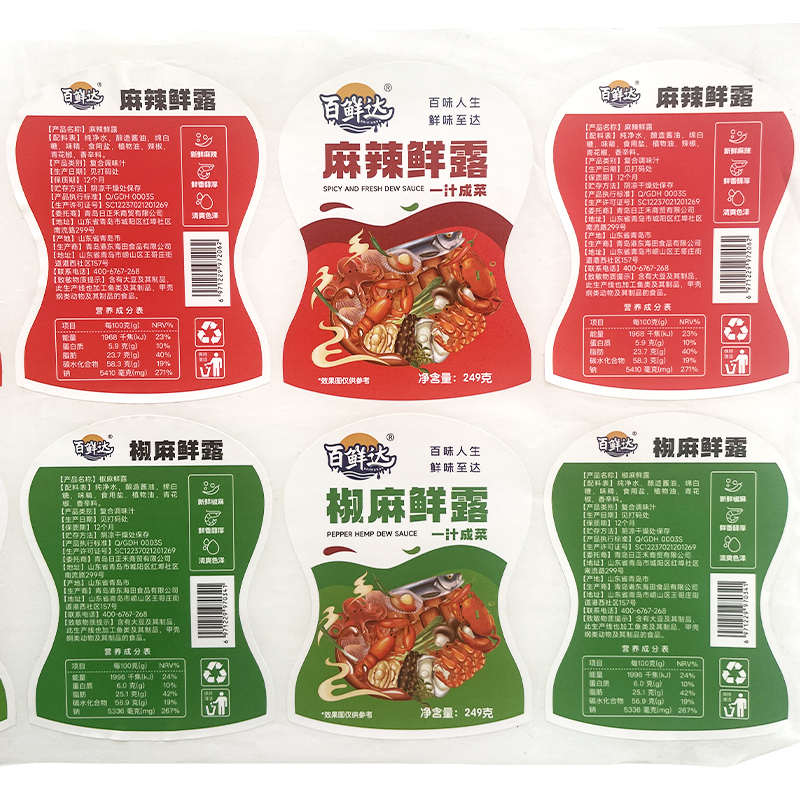
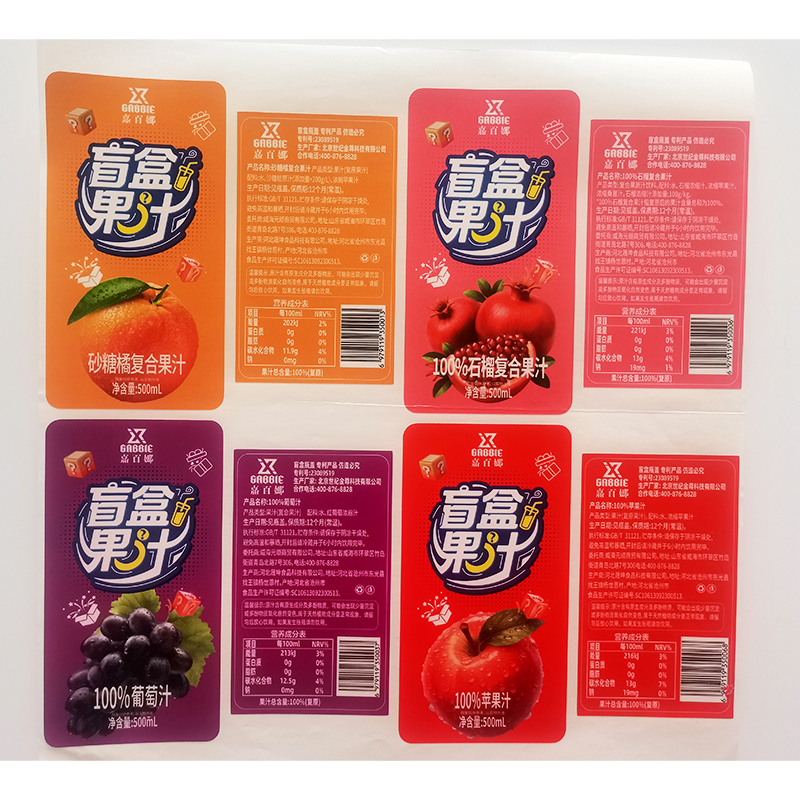
Low Temperature Resistant Durable Labels
High temperature and low temperature labels are specially designed adhesive labels that maintain strong adhesion, clear printing, and stable performance under extreme temperature conditions. Unlike standard labels, these labels are manufactured with heat-resistant materials, cold-resistant adhesives, and durable printing technologies to withstand challenging environments.
Custom high temperature and low temperature labels are widely used in industries such as electronics, automotive, chemical, laboratory, food processing, cold chain logistics, and manufacturing. They provide reliable identification, tracking, and product information even when exposed to extreme heat, freezing temperatures, moisture, or harsh conditions.
Product Specifications of High Temperature and Low Temperature Labels
Product Name: High Temperature and Low Temperature Labels
Material Options:
- Polyester (PET) labels
- Polyimide (Kapton) labels
- Polypropylene (PP) labels
- Vinyl labels
- Synthetic paper labels
- Aluminum foil labels
- Thermal transfer label materials
Adhesive Options:
- High temperature resistant adhesive
- Freezer-grade adhesive
- Low temperature permanent adhesive
- Chemical resistant adhesive
- Industrial strength adhesive
Temperature Range:
- High temperature resistance: up to 200°C, 300°C, or higher depending on material selection
- Low temperature resistance: suitable for freezer, refrigeration, and cryogenic environments
Printing Methods:
- Thermal transfer printing
- UV printing
- Flexographic printing
- Digital printing
- Screen printing
Surface Finishing:
- Matte coating
- Glossy coating
- Protective lamination
- Scratch-resistant coating
- Chemical-resistant coating
Customization Options:
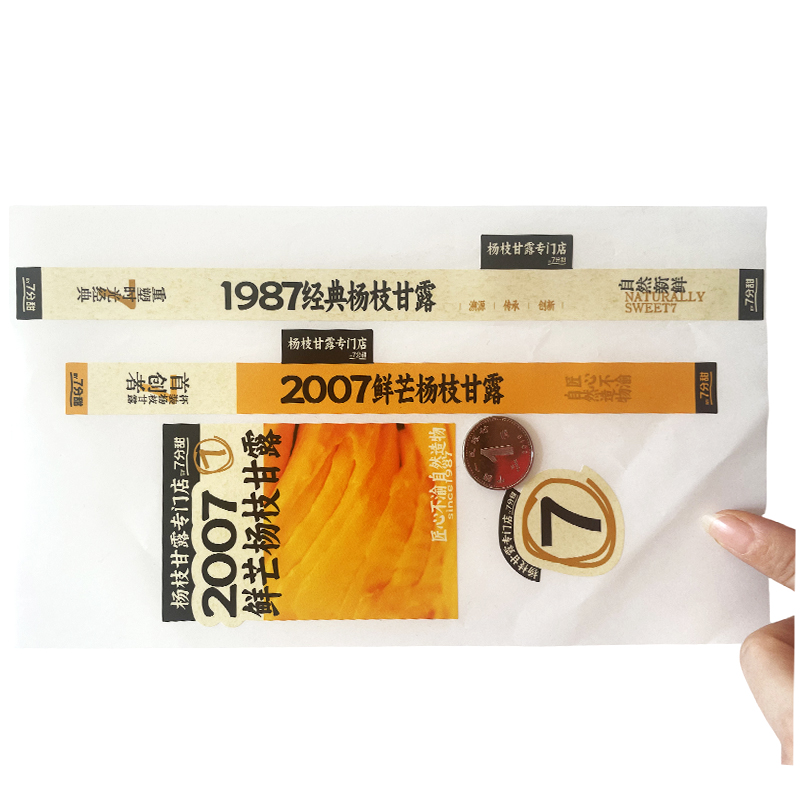
- Custom sizes and shapes
- Custom logos and graphics
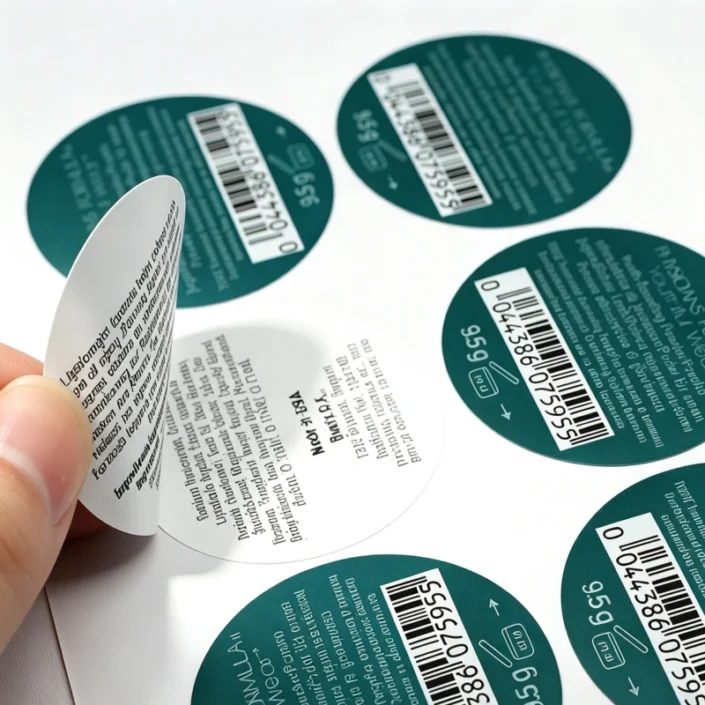
- Barcode and QR code printing
- Serial number printing
- Variable data printing
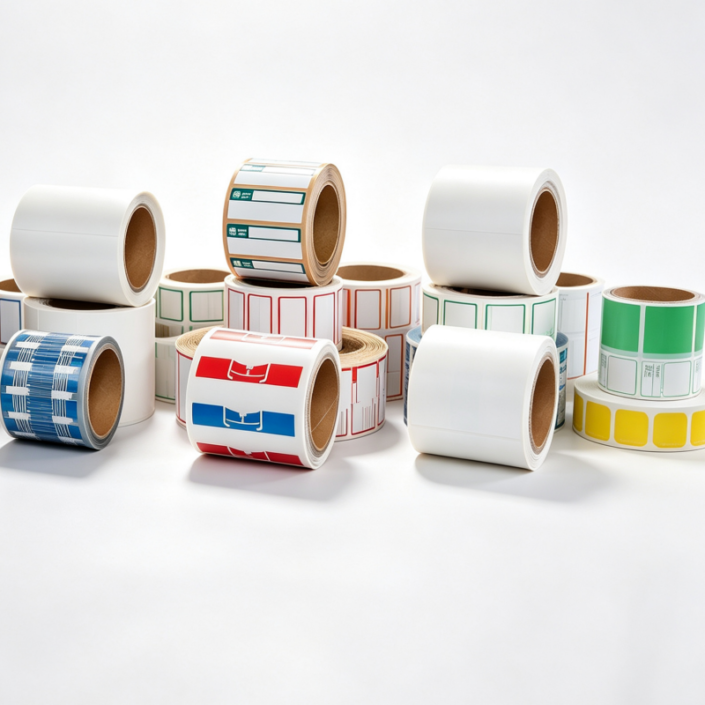
- Roll labels and sheet labels
How Do High Temperature and Low Temperature Labels Work?
High temperature and low temperature labels use specially engineered materials and adhesives to maintain performance under extreme conditions.
For high temperature applications, labels are made with heat-resistant materials such as polyester or polyimide films. These materials prevent label deformation, fading, and adhesive failure when exposed to heat.
For low temperature applications, labels use flexible adhesives that remain effective in cold environments. Unlike standard adhesives that may become brittle or lose adhesion, cold-resistant adhesives maintain bonding strength on frozen or refrigerated surfaces.
The working process includes:
- Selecting suitable label materials based on temperature requirements.
- Choosing the correct adhesive formula for the application environment.
- Printing durable information that remains readable.
- Applying protective coatings when additional resistance is required.
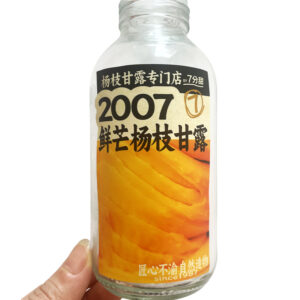
Materials Used for Extreme Temperature Labels
Polyimide High Temperature Labels
Polyimide labels, also known as Kapton labels, are designed for high-temperature environments. They offer excellent heat resistance, dimensional stability, and chemical resistance, making them ideal for electronics manufacturing and industrial applications.
Polyester (PET) Temperature Resistant Labels
PET labels provide excellent durability, moisture resistance, and resistance to chemicals and abrasion. They are commonly used for automotive parts, machinery, and product identification.
Aluminum Foil Temperature Labels
Aluminum foil labels provide excellent heat reflection, durability, and resistance to harsh environments. They are suitable for industrial equipment, electrical components, and outdoor applications.
Freezer and Low Temperature Labels
Low temperature labels use special adhesives that perform well on frozen and refrigerated surfaces. They are commonly used for food storage, medical samples, and cold chain transportation.
Main Applications of High Temperature and Low Temperature Labels
Electronics and PCB Manufacturing
- Circuit board labels
- Component identification labels
- Soldering process labels
- Tracking labels for electronic components
High temperature resistant labels help maintain identification during manufacturing processes involving heat exposure.
Automotive Industry
- Engine component labels
- Vehicle part identification labels
- Battery labels
- Warning labels
Automotive labels require strong durability to withstand heat, vibration, oil, and environmental changes.
Food and Cold Chain Logistics
- Frozen food labels
- Refrigerated product labels
- Storage labels
- Logistics tracking labels
Low temperature labels ensure clear product information throughout freezing, storage, and transportation processes.
Medical and Laboratory Applications
- Sample identification labels
- Laboratory container labels
- Cryogenic storage labels
- Equipment tracking labels
Special low temperature labels provide reliable identification in cold storage environments.
Chemical and Industrial Applications
- Chemical container labels
- Equipment labels
- Safety identification labels
- Manufacturing tracking labels
Industrial labels require resistance to temperature changes, chemicals, and abrasion.
Advantages of High Temperature and Low Temperature Labels
Excellent Temperature Resistance
These labels maintain adhesion and readability in extreme heat, freezing, and temperature-changing environments.
Strong Adhesive Performance
Special adhesives provide reliable bonding on various surfaces, including metal, plastic, glass, and industrial materials.
Long-Lasting Durability
Temperature-resistant labels are designed to resist fading, peeling, moisture, scratches, and chemical exposure.
Clear Identification Under Harsh Conditions
High-quality printing ensures important information such as barcodes, serial numbers, and warning messages remain readable.
Wide Range of Applications
From electronics and automotive manufacturing to food storage and laboratory environments, these labels provide reliable solutions for demanding industries.
High Temperature Labels vs Standard Labels
| Feature | High Temperature and Low Temperature Labels | Standard Labels |
|---|---|---|
| Temperature Resistance | Designed for extreme temperatures | Limited temperature range |
| Adhesive Performance | Specialized adhesives | General adhesive |
| Durability | High resistance to harsh environments | Suitable for normal conditions |
| Application | Industrial and special environments | Everyday labeling |
Choosing temperature-resistant labels helps prevent label failure, information loss, and production problems.
Why Choose Custom High Temperature and Low Temperature Labels?
Custom temperature-resistant labels allow businesses to select the right materials, adhesives, and printing methods for specific operating environments.
Key benefits include:
- Reliable performance in extreme temperatures
- Strong adhesion on different surfaces
- Resistance to moisture, chemicals, and abrasion
- Long service life
- Clear barcode and identification printing
- Customized sizes, materials, and designs
- Suitable for industrial and commercial applications
Customer Feedback
“The high temperature labels remain clear and firmly attached during our production process. They perform much better than standard labels.”
“The freezer labels work well in cold storage environments and maintain excellent readability after long-term use.”
“The quality and customization options helped us solve our industrial labeling challenges.”
Custom High Temperature and Low Temperature Label Manufacturer
We are a professional custom label manufacturer in China specializing in high temperature labels, low temperature labels, industrial labels, and specialty adhesive label solutions.
With advanced printing technology, durable materials, and customized adhesive options, we provide reliable labeling solutions for electronics, automotive, food, medical, laboratory, and industrial applications.
Whether you need heat-resistant labels, freezer labels, cryogenic labels, or extreme environment identification labels, we can provide customized products with consistent quality and competitive factory pricing.