Types of Label Paper: A Complete Guide to Choosing the Right Label Material
When buyers search for label paper types, they usually aren’t looking for a simple list of paper names. They want to know which label paper suits their product, how durable it will be, whether it works with their printing method, and whether it will survive the actual application environment.
A paper label for a dry cardboard package has very different requirements than a wine label exposed to condensation, a pharmaceutical label with small text, or a shipping label printed with a thermal printer.
Common label paper options include matte, semi-gloss, high-gloss, uncoated, kraft, cast-coated, thermal, fluorescent, metallic, and specialty decorative papers.
Most standard paper label facestocks fall roughly within the 60–90 gsm range, although the actual construction can vary considerably depending on the coating, adhesive and liner.
The key is not to ask, “Which label paper is the best?”
A better question is:
Which label paper gives the right combination of appearance, printability, durability and cost for this particular application?
Types of Label Paper at a Glance
The following table gives a practical starting point.
| Label Paper Type | Typical Characteristics | Main Advantages | Main Limitations | Common Applications |
|---|---|---|---|---|
| Matte Paper | Smooth, low-glare surface | Easy to read, writable, natural appearance | Less vibrant than gloss | Cosmetics, pharmacy, general packaging |
| Semi-Gloss Paper | Moderate sheen | Good print quality and cost balance | Limited moisture resistance | Retail, FMCG, barcode labels |
| High-Gloss Paper | Highly reflective coated surface | Bright colors, strong shelf impact | More glare, less natural feel | Premium packaging, cosmetics |
| Uncoated Paper | Natural paper surface | Writable, tactile, economical | Lower moisture and scuff resistance | Craft products, pharmacy, cartons |
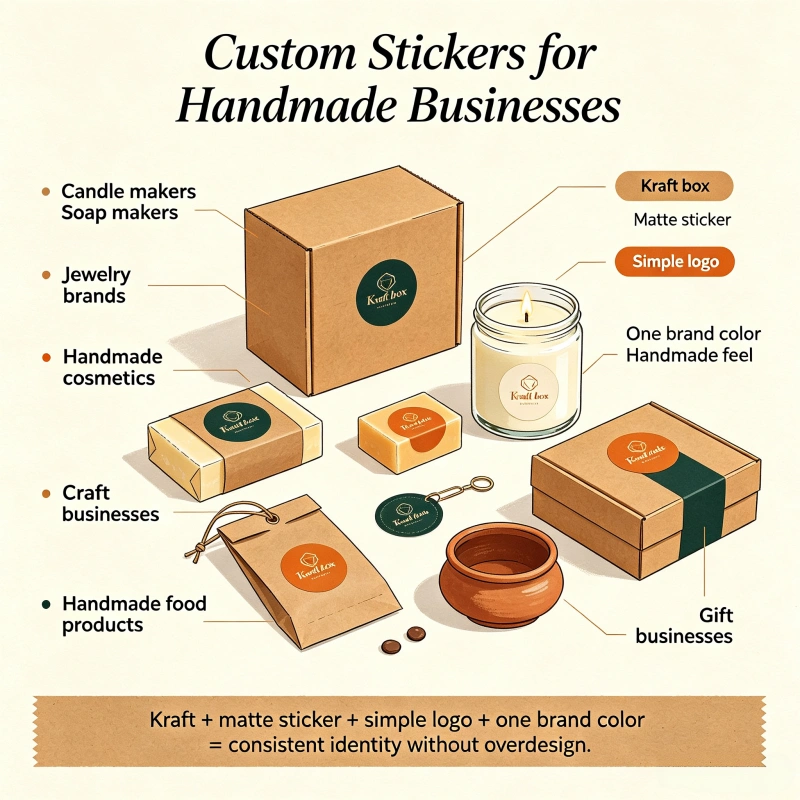
| Kraft Paper | Brown or natural fiber appearance | Eco-style appearance, strong brand character | Color reproduction can be different | Organic food, coffee, craft beverages |
| Cast-Coated Paper | Very smooth, high-gloss surface | Sharp graphics and vivid printing | More expensive than basic paper | Premium products |
| Direct Thermal Paper | Heat-sensitive coating | No ribbon required, fast printing | Sensitive to heat, light and abrasion | Shipping, logistics, weighing |
| Thermal Transfer Paper | Designed for ribbon printing | Durable variable information | Requires ribbon | Barcodes, warehouse, manufacturing |
| Fluorescent Paper | Bright colored surface | High visibility | Limited premium applications | Promotions, warnings, pricing |
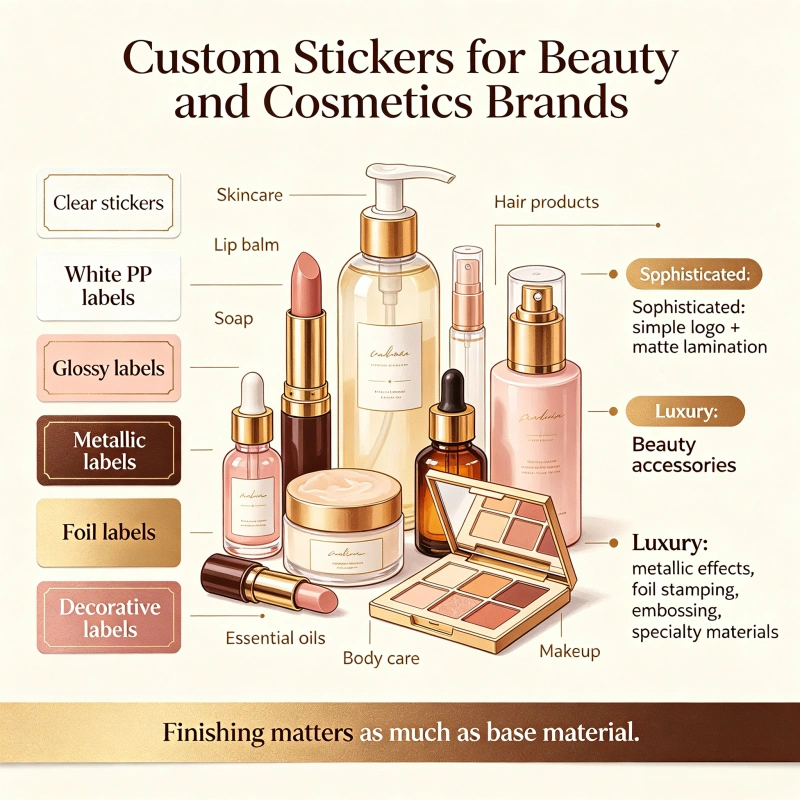
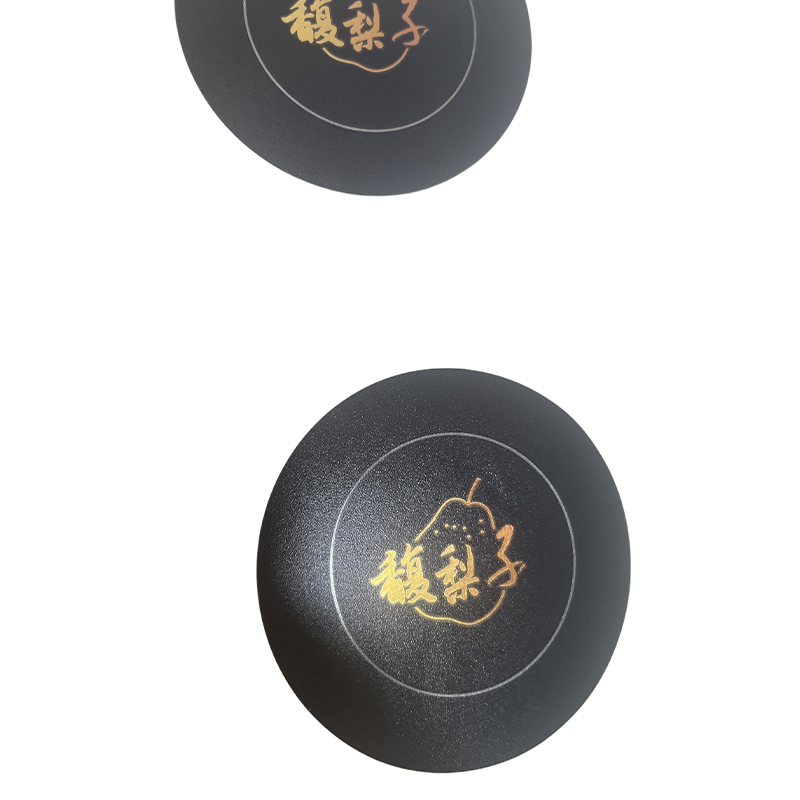
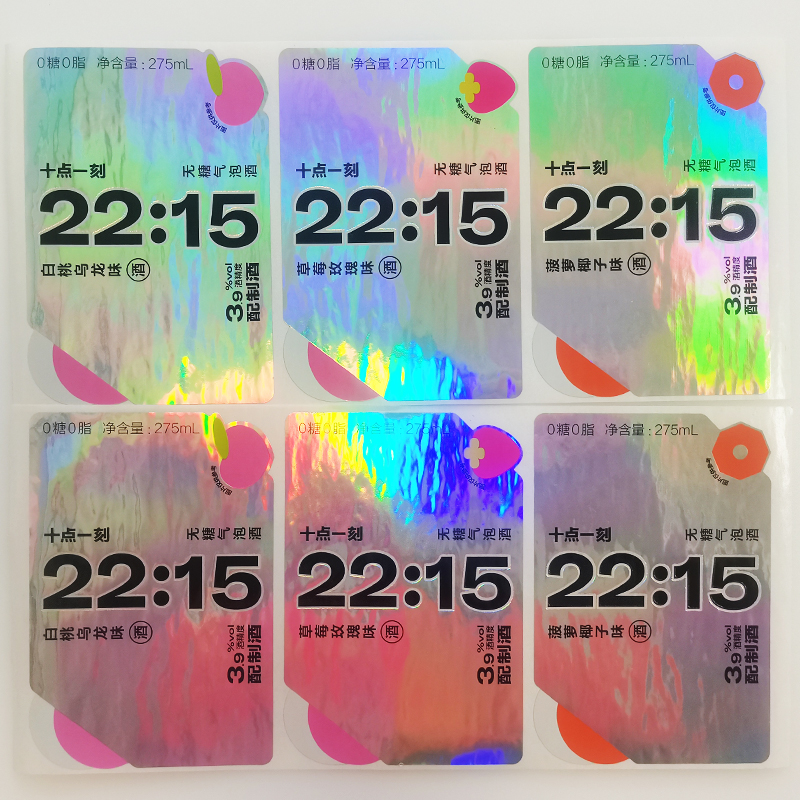
| Metallized Paper | Metallic gold/silver appearance | Premium visual effect | More expensive, more complex printing | Wine, spirits, cosmetics |
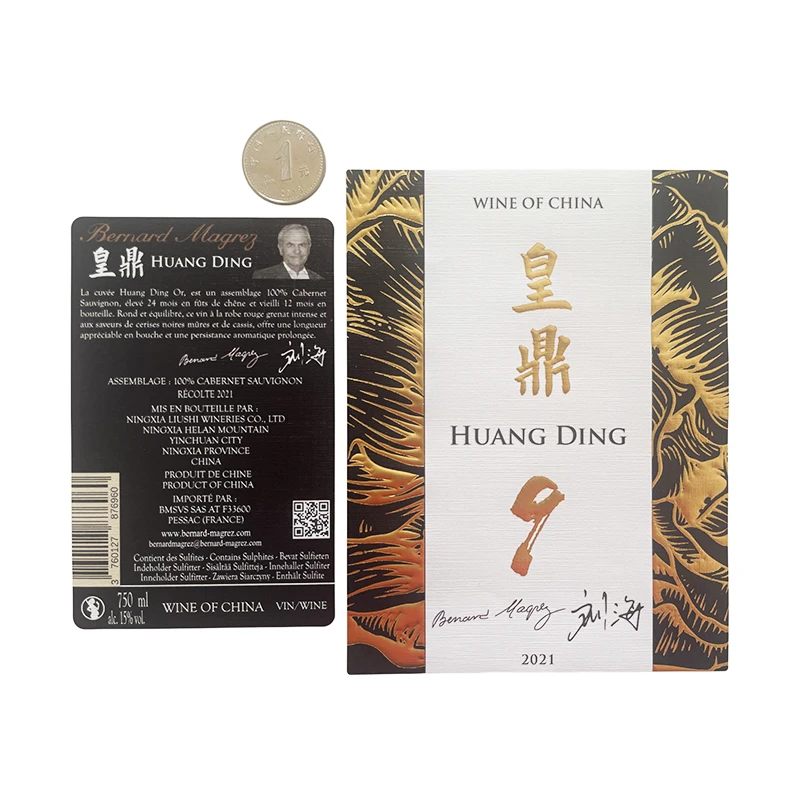
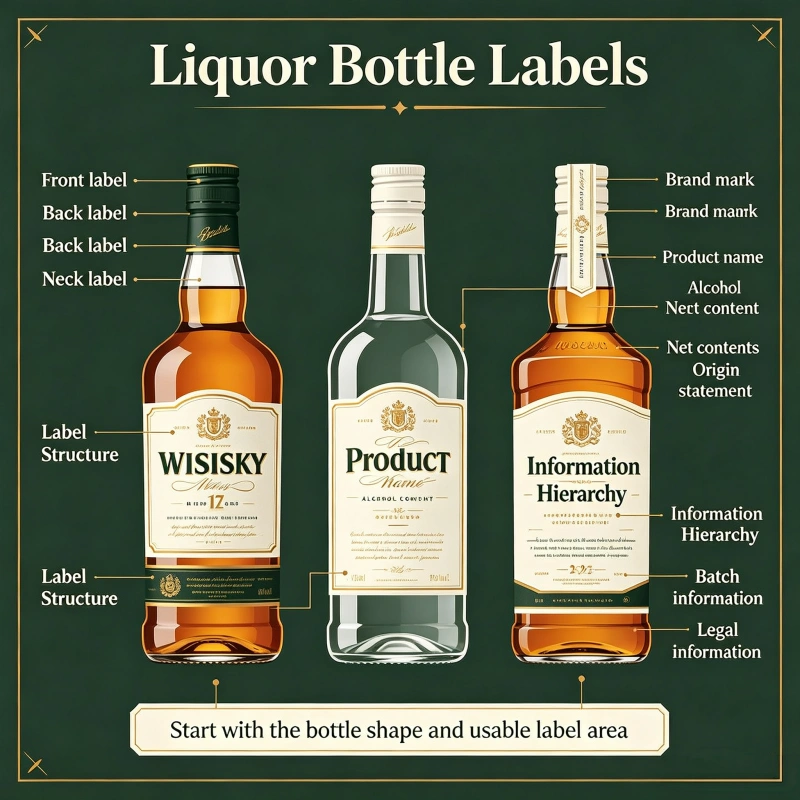
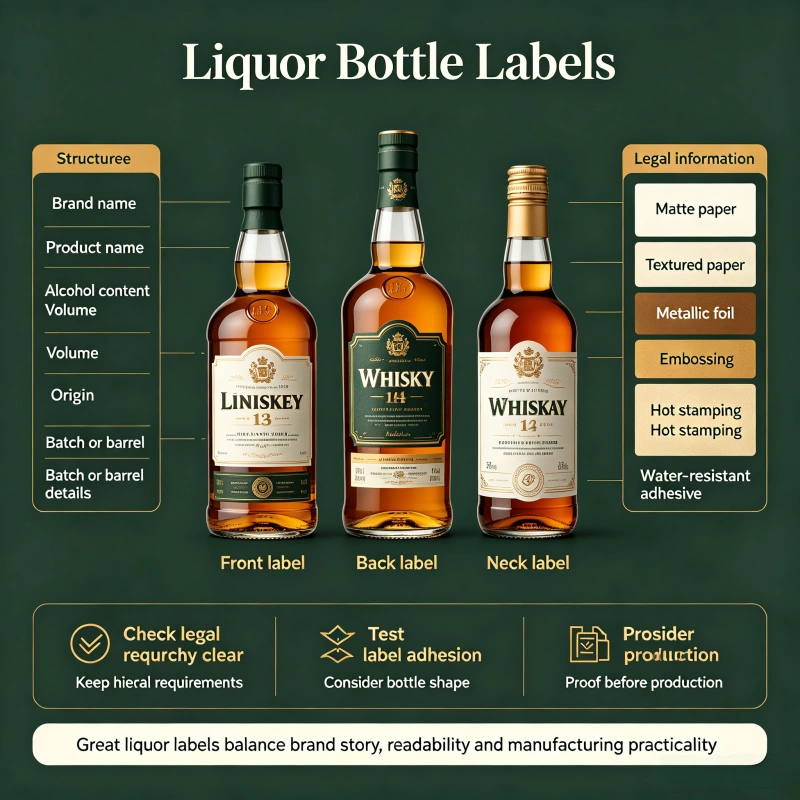
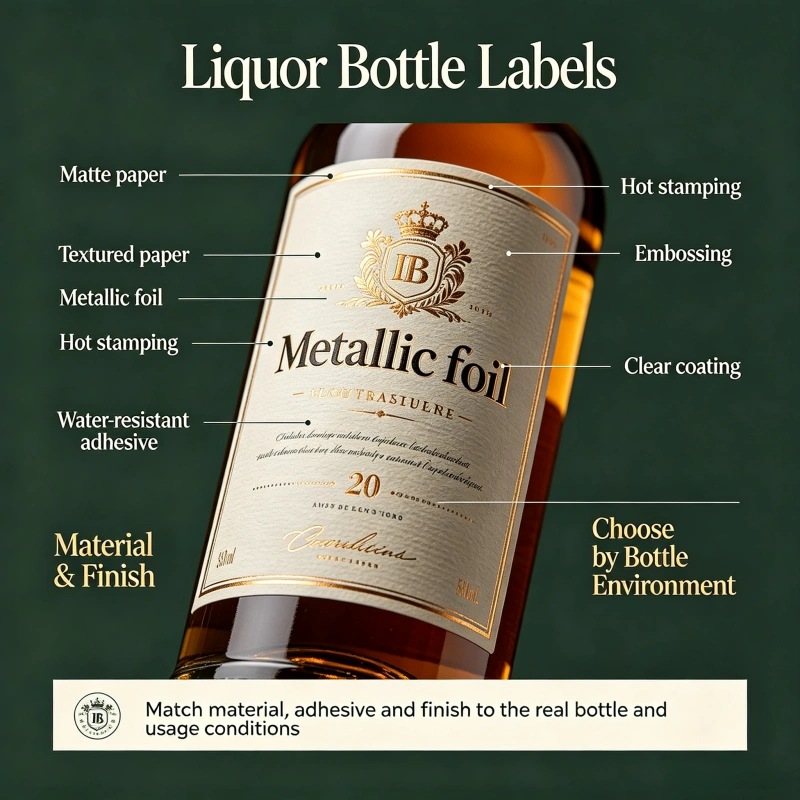
| Decorative Textured Paper | Embossed or tactile surface | Premium tactile experience | Higher cost and printing complexity | Wine, spirits, luxury packaging |
This classification is more useful for purchasing than simply separating labels into “white paper” and “colored paper.”
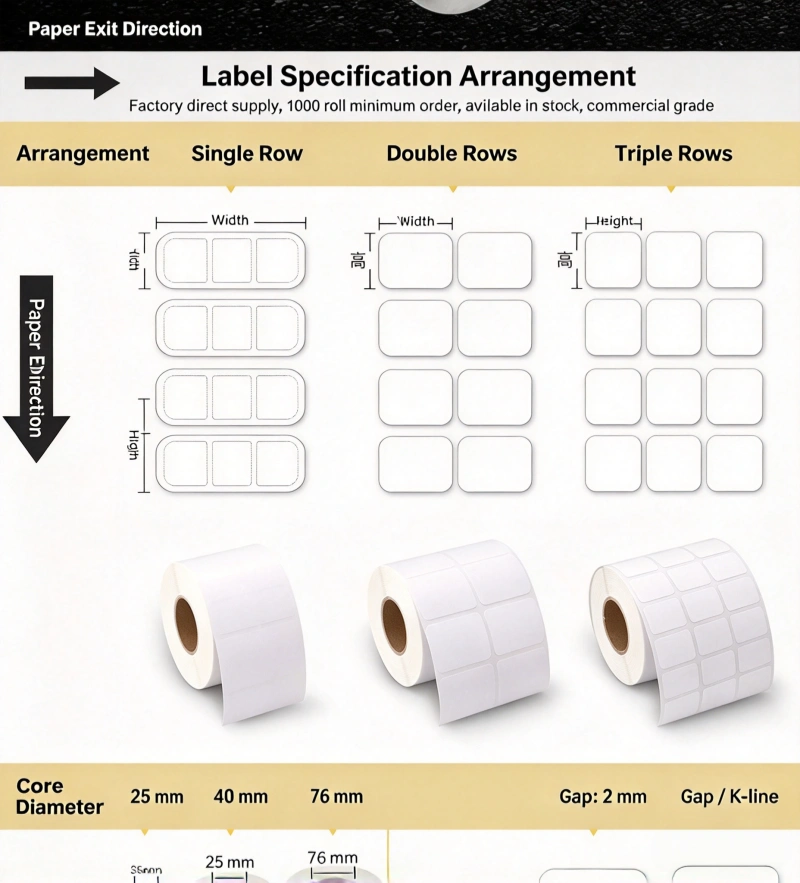
1. Matte Label Paper
Matte paper is one of the most versatile choices for product labeling.
It has little surface reflection, making text easy to read under strong lighting. Some matte papers are coated, while others are uncoated or woodfree papers.
Typical paper constructions can be around 70–80 gsm, depending on the supplier and grade. One current paper-material specification, for example, lists matte and woodfree paper around 70–80 gsm.
Advantages
- Low glare
- Easy to read
- Natural appearance
- Suitable for handwriting on some grades
- Good for barcodes and text
- Works with multiple printing technologies
- Generally economical
Disadvantages
- Less visually vibrant than high-gloss paper
- Standard paper grades have limited moisture resistance
- Can absorb liquids depending on construction
- Can scuff more easily than synthetic materials
Best applications
Matte label paper works well for:
- Pharmaceutical packaging
- Health and beauty products
- Handmade products
- Food packaging kept dry
- Cartons
- Logistics labels
- Craft products
- Minimalist branding
Production experience
Matte paper is often a safe starting point when the product needs a professional but understated appearance.
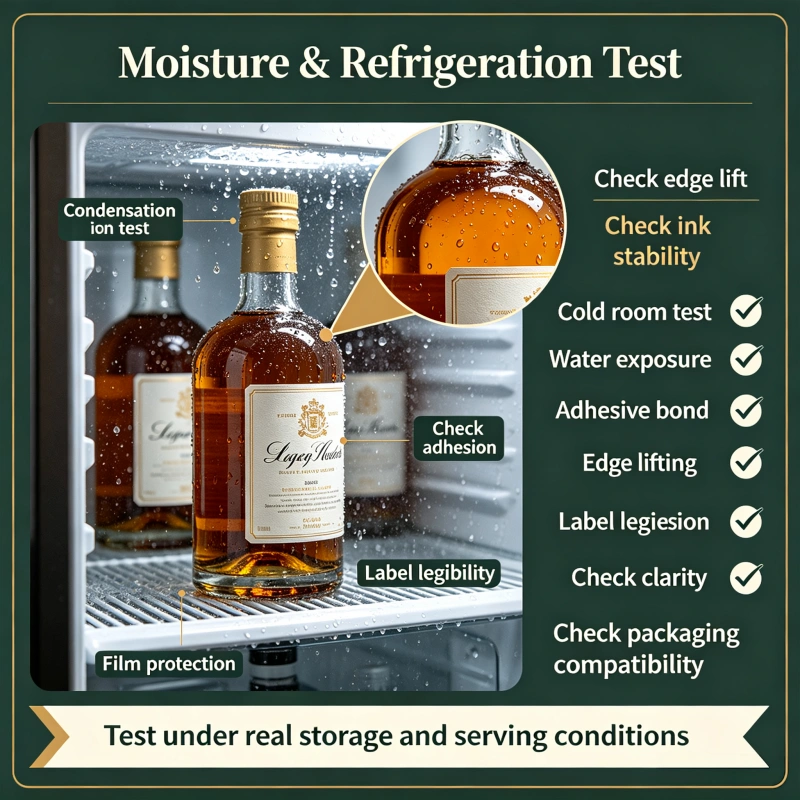
However, if the label will be exposed to water, condensation, oil or outdoor conditions, changing the paper alone may not solve the problem. A coating, laminate or synthetic facestock may be more appropriate.
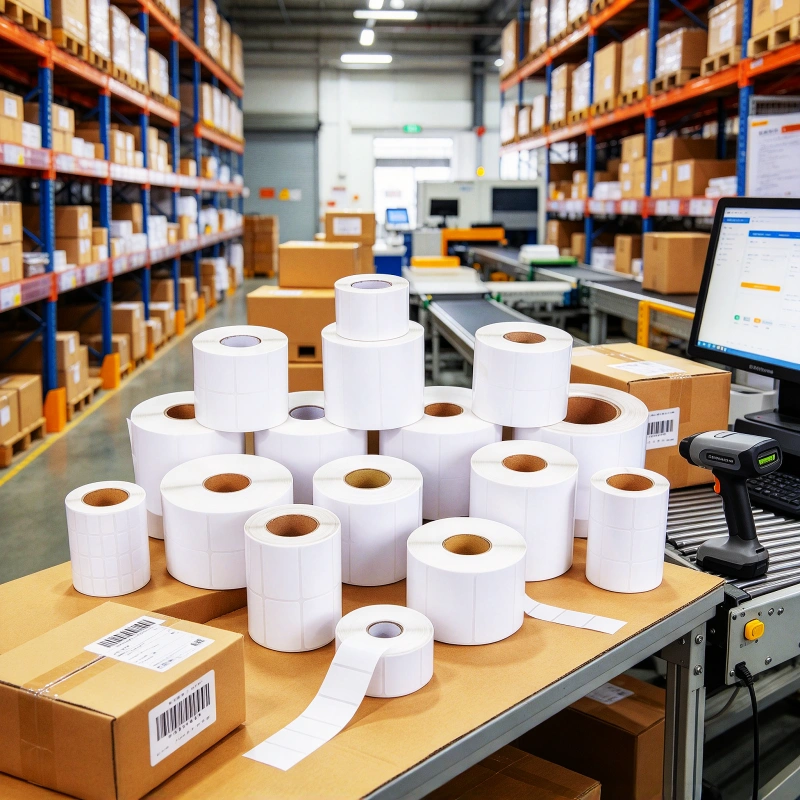
2. Semi-Gloss Label Paper
Semi-gloss paper is one of the most practical choices for general-purpose printed labels.
It sits between matte and high-gloss finishes, providing enough sheen for good color reproduction without the glare of a mirror-like surface.
A typical semi-gloss paper specification is around 78–80 gsm, although suppliers offer different constructions.
Advantages
- Good color reproduction
- Smooth printing surface
- Professional appearance
- Good balance between price and visual quality
- Suitable for barcode printing
- Works well with flexographic, offset and thermal-transfer printing
Disadvantages
- Not waterproof
- Can have limited resistance to oil and abrasion
- Less premium-looking than specialty textured materials
- May require lamination for demanding environments
Best applications
Semi-gloss is suitable for:
- Retail product labels
- Food packaging
- Beverage packaging
- Household products
- Personal care
- Barcode labels
- Logistics labels
- General FMCG packaging
One current technical comparison describes semi-gloss as a common economical option for retail, food and general product labels that remain in dry conditions.
When should you choose semi-gloss?
If you sell your product indoors, the packaging stays relatively dry, and you want good printing without paying for premium specialty paper, semi-gloss is often a sensible starting point.
3. High-Gloss Label Paper
High-gloss label paper has a highly smooth, reflective surface.
It is designed to make printed colors appear stronger and graphics more visually prominent.
Advantages
- Excellent color impact
- High visual brightness
- Sharp graphics
- Attractive product presentation
- Suitable for photographs and detailed artwork
- Strong shelf visibility
Disadvantages
- More glare under direct lighting
- Fingerprints can be more noticeable
- Less natural tactile appearance
- Usually more expensive than basic matte paper
- Still fundamentally a paper material, so it is not automatically waterproof
Best applications
High-gloss paper is commonly used for:
- Cosmetics
- Promotional packaging
- Consumer products
- Premium retail packaging
- Food products
- Colorful product labels
If your design contains large photographic areas, gradients or highly saturated colors, high-gloss paper can provide a stronger visual effect.
However, don’t confuse high gloss with high durability.
A glossy surface may look premium while still being vulnerable to moisture.
4. Uncoated Label Paper
Uncoated paper has no conventional glossy coating on the printing surface.
It provides a more natural paper texture and is often chosen when tactile quality matters more than maximum color brilliance.
Avery Dennison describes uncoated papers as having no coating and notes that they can work with toner-based, inkjet and thermal-transfer printing as well as traditional printing methods.
Advantages
- Natural appearance
- Excellent tactile feel
- Often writable
- Good for minimalist designs
- Suitable for traditional or handmade branding
- Can be economical
Disadvantages
- Lower moisture resistance
- Can absorb ink differently from coated stock
- Fine graphics may appear less saturated
- Can be more vulnerable to scuffing
Best applications
- Pharmacy
- Craft products
- Handmade products
- Organic brands
- Paper packaging
- Internal identification
- Products where handwriting is required
Buyer tip
If you need both a natural appearance and strong color reproduction, ask the manufacturer to provide a physical sample.
The same artwork can look noticeably different on coated and uncoated paper.
5. Kraft Label Paper
Kraft paper is instantly recognizable because of its natural brown or kraft-colored appearance.
It is popular with brands that want to communicate:
- Natural
- Organic
- Handmade
- Rustic
- Sustainable
- Artisan
Advantages
- Distinctive natural appearance
- Strong brand personality
- Excellent for craft-style packaging
- Works well with simple one- or two-color designs
- Suitable for organic and handmade product positioning
Disadvantages
- White colors may require special treatment
- Bright colors can look different on brown stock
- Limited moisture resistance
- Not ideal for highly photographic artwork
- Color consistency requires careful printing control
Best applications
Kraft label paper is particularly suitable for:
- Coffee
- Tea
- Organic food
- Handmade soap
- Candles
- Craft beer
- Craft spirits
- Natural cosmetics
- Gift products
A common mistake
Many designers create artwork assuming a white background, then print it on brown kraft paper.
The result can be significantly darker than expected.
If the design requires bright colors or white graphics, discuss white ink or a different substrate with the printer before production.
6. Cast-Coated Label Paper
Cast-coated paper has an exceptionally smooth, high-gloss surface.
It is designed to provide strong ink holdout and high visual quality.
Current label-stock specifications commonly place high-gloss cast-coated paper around 80–90 gsm, although construction varies by manufacturer.
Advantages
- Very smooth surface
- High-gloss appearance
- Strong color reproduction
- Excellent detail
- Premium shelf presentation
Disadvantages
- Higher cost
- More reflective
- Still not equivalent to waterproof film
- May require careful adhesive selection depending on application
Best applications
- Premium food
- Cosmetics
- Wine
- Spirits
- Luxury consumer goods
- Promotional packaging
If the primary goal is premium visual impact, cast-coated paper can be more appropriate than ordinary gloss paper.
7. Direct Thermal Label Paper
Direct thermal paper is different from conventional decorative label paper because it contains a heat-sensitive coating.
A direct thermal printer creates the image directly on the label surface, so it doesn’t require a ribbon.
Avery Dennison describes direct thermal paper as a material designed for variable-information printing with direct thermal printers.
Advantages
- No ribbon required
- Fast printing
- Simple printer setup
- Suitable for variable information
- Efficient for high-volume short-term labeling
Disadvantages
- Image can be sensitive to heat
- Some grades are sensitive to light
- Can be affected by abrasion
- Not ideal for long-term premium product identification
Typical applications include:
- Shipping labels
- Logistics
- Weigh-scale labels
- Receipts
- Coupons
- Inventory
- Event tickets
One technical specification for a standard direct thermal grade lists a 3.3 mil caliper and a service temperature range of approximately −4°F to +176°F, showing why you must check actual specifications rather than assume every thermal paper performs the same.
Production experience
Don’t choose direct thermal paper just because it is cheaper to print.
If the barcode or product information must remain readable for several years, thermal transfer or a more durable synthetic construction may be a better solution.
8. Thermal Transfer Label Paper
Thermal transfer paper is designed to receive ink from a thermal-transfer ribbon.
Unlike direct thermal printing, the image is transferred from the ribbon to the label.
Advantages
- Longer-lasting print
- Good barcode quality
- Suitable for variable information
- Available in matte and semi-gloss grades
- Can be paired with different ribbon technologies
Disadvantages
- Requires a ribbon
- Printer settings must match the material
- Higher consumable complexity
- Not every paper/ribbon combination gives the same result
Thermal-transfer paper is commonly used for:
- Warehouse labels
- Product identification
- Barcode labels
- Manufacturing
- Pharmaceutical packaging
- Inventory management
A practical technical guide lists thermal-transfer paper around 75–80 gsm for some standard constructions.
9. Fluorescent Label Paper
Fluorescent paper uses highly visible colors such as:
- Yellow
- Orange
- Red
- Green
Its purpose is visibility, not a luxury appearance.
Advantages
- Extremely noticeable
- Good for warnings
- Useful for promotions
- Easy to identify from a distance
Disadvantages
- Limited premium applications
- Strong background colors restrict design choices
- Not suitable for every brand identity
Best applications
- Sale labels
- Clearance labels
- Warning labels
- Promotional stickers
- Warehouse identification
- Urgent handling instructions
Current paper-stock ranges commonly list fluorescent grades around 70–80 gsm.
10. Metallic Label Paper
Metallic paper can create gold, silver or other reflective effects without relying entirely on metallic foil stamping.
Advantages
- Premium appearance
- Strong shelf impact
- Suitable for luxury branding
- Works well with dark colors
- Useful for decorative packaging
Disadvantages
- More expensive
- Color reproduction requires testing
- Metallic background changes the appearance of printed colors
- Some designs require white ink or special printing techniques
Best applications
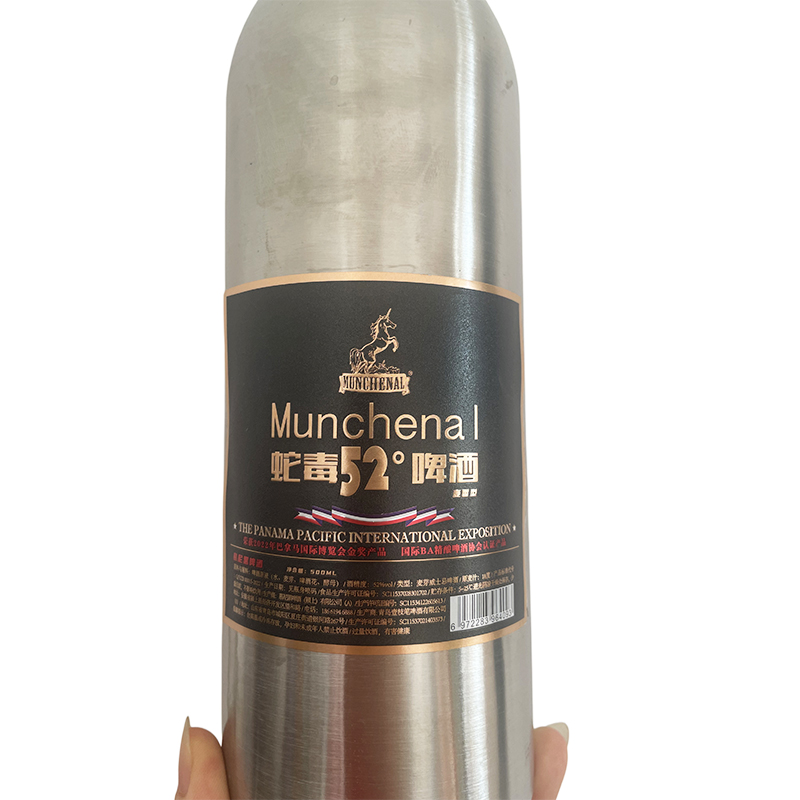
- Wine
- Spirits
- Cosmetics
- Premium food
- Luxury gifts
- Special editions
Metallic paper is especially effective when the label needs to communicate a premium positioning before the customer even reads the text.
11. Textured and Decorative Label Paper
This category includes papers with:
- Linen texture
- Felt texture
- Embossed patterns
- Cotton-like surfaces
- Fibrous finishes
- Rough natural textures
These papers are frequently used when tactile experience is an important part of the brand.
Advantages
- Premium tactile experience
- Strong differentiation
- Excellent for luxury packaging
- Works well with embossing and foil
- Can strengthen brand identity
Disadvantages
- Higher cost
- More complicated printing
- Fine text can be affected by surface texture
- Not always suitable for high-speed automatic application
Best applications
- Wine
- Whiskey
- Gin
- Luxury cosmetics
- Premium food
- Boutique products
For premium liquor and wine labels, textured paper combined with embossing or foil can create a significantly stronger physical impression than ordinary coated paper.
Paper Label vs Synthetic Label: An Important Decision
Although the search term is types of label paper, buyers should understand one important boundary: sometimes paper is simply the wrong material.
If your label needs high resistance to:
- Water
- Condensation
- Oil
- Chemicals
- Tearing
- Outdoor exposure
- Repeated abrasion
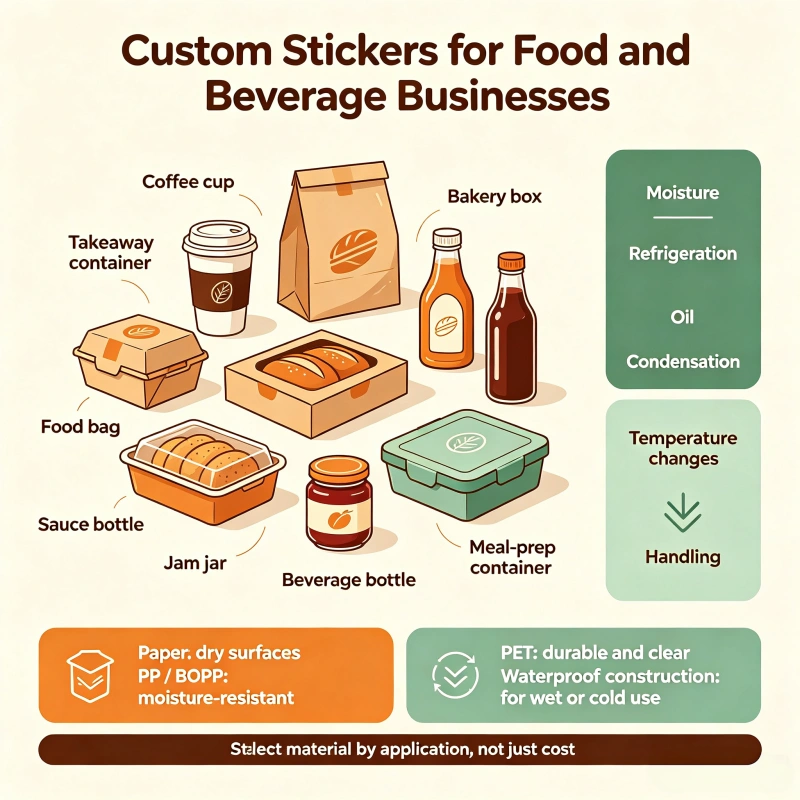
you may need a synthetic material such as PP/BOPP or PET rather than paper.
For example, a current material comparison describes polypropylene as moisture-resistant and suitable for applications that require stronger material performance, while standard matte and gloss paper are generally intended for indoor, dry applications.
Simple decision rule
Dry + economical → Paper
Premium + tactile → Specialty paper
Natural/organic appearance → Kraft or uncoated paper
High color impact → Gloss or cast-coated paper
Thermal printer → Direct thermal or thermal-transfer stock
Wet/chilled → Consider PP/BOPP or another synthetic material
Outdoor/industrial → Usually consider synthetic materials
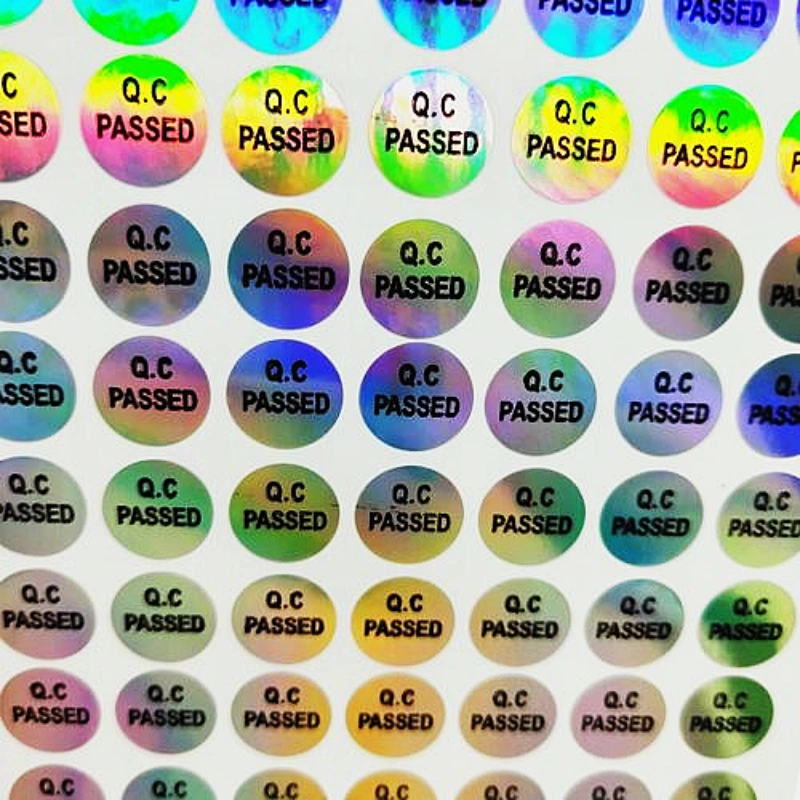
How to Choose the Right Label Paper
Instead of choosing by appearance alone, evaluate six factors.
1. Where will the label be used?
Indoor and dry:
→ Paper is usually sufficient.
Refrigerated:
→ Test moisture resistance carefully.
Outdoor:
→ Paper may require special protection or a synthetic alternative.
2. How long must the label last?
Short-term:
→ Economy paper or direct thermal may work.
Long-term:
→ Consider coated paper with protection or synthetic materials depending on conditions.
3. What printing technology are you using?
Check whether your printer uses:
- Inkjet
- Laser
- Flexographic printing
- Offset
- Digital printing
- Direct thermal
- Thermal transfer
Material compatibility matters.
4. Does the label need to be writable?
If users need to write on the label, a matte or uncoated surface may be more suitable.
5. What appearance does the brand need?
| Brand Positioning | Material Direction |
|---|---|
| Minimalist | Matte |
| Mass-market | Semi-gloss |
| Colorful/premium | High-gloss |
| Organic | Kraft |
| Handmade | Uncoated/textured |
| Luxury | Metallic/textured |
| Traditional spirits | Textured or specialty paper |
| Logistics | Thermal/semi-gloss |
6. What is the real budget?
Don’t compare only the paper price.
Your total label cost can include:
Paper + adhesive + printing + coating + finishing + die cutting + setup + packaging + shipping.
A premium paper that costs slightly more per label may be worthwhile if it substantially improves the product’s shelf presentation.
Common Label Paper Selection Mistakes
Choosing waterproof paper for a wet environment
Paper and waterproof film are not the same thing.
A coating may improve resistance, but it does not automatically turn paper into a waterproof material.
Choosing glossy paper because it “looks premium”
Gloss is a visual effect, not a guarantee of durability.
Selecting kraft without testing colors
Kraft changes how printed colors look.
Ignoring adhesive
The face paper can be perfect while the label still fails because the adhesive is unsuitable for glass, plastic, cold surfaces or condensation.
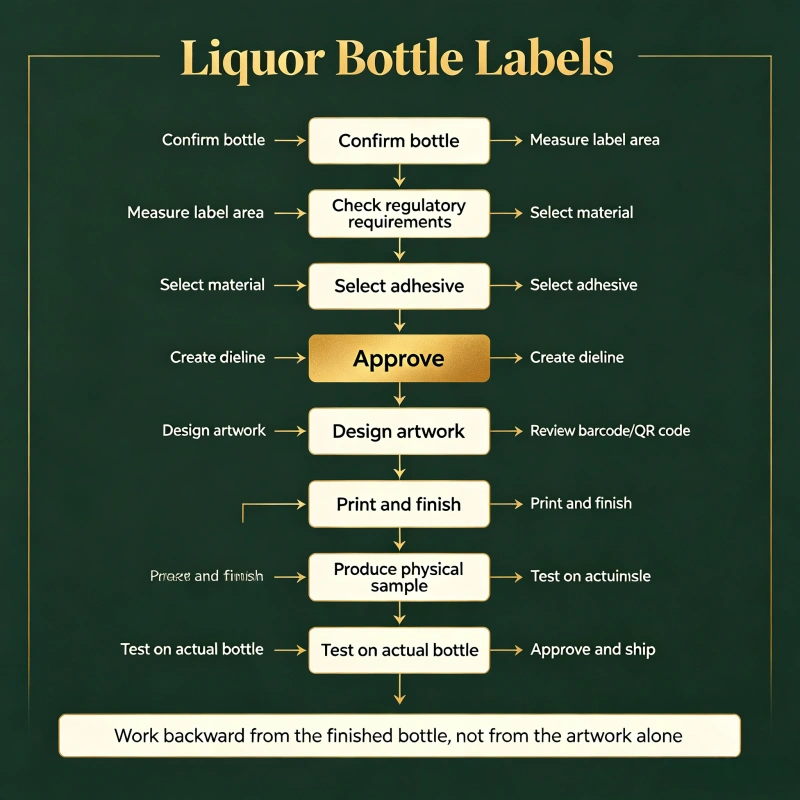
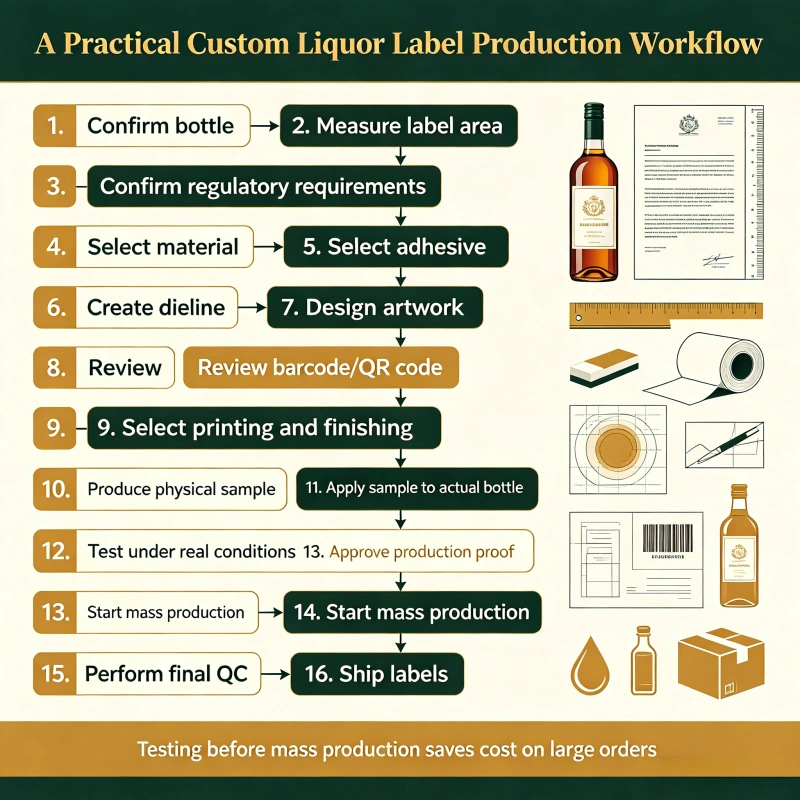
Ordering without a physical sample
Always test unusual materials on the actual package.
Choosing the cheapest paper for premium packaging
The label is part of the product experience.
A low-cost material can undermine an otherwise premium bottle or box.
What Experienced Label Buyers Usually Check
After years of dealing with label production, one practical lesson is clear:
The paper is only one part of the label construction.
A finished self-adhesive label normally consists of:
Face stock + printing + adhesive + liner
And the final performance also depends on:
Surface + application temperature + storage environment + printing method + finishing
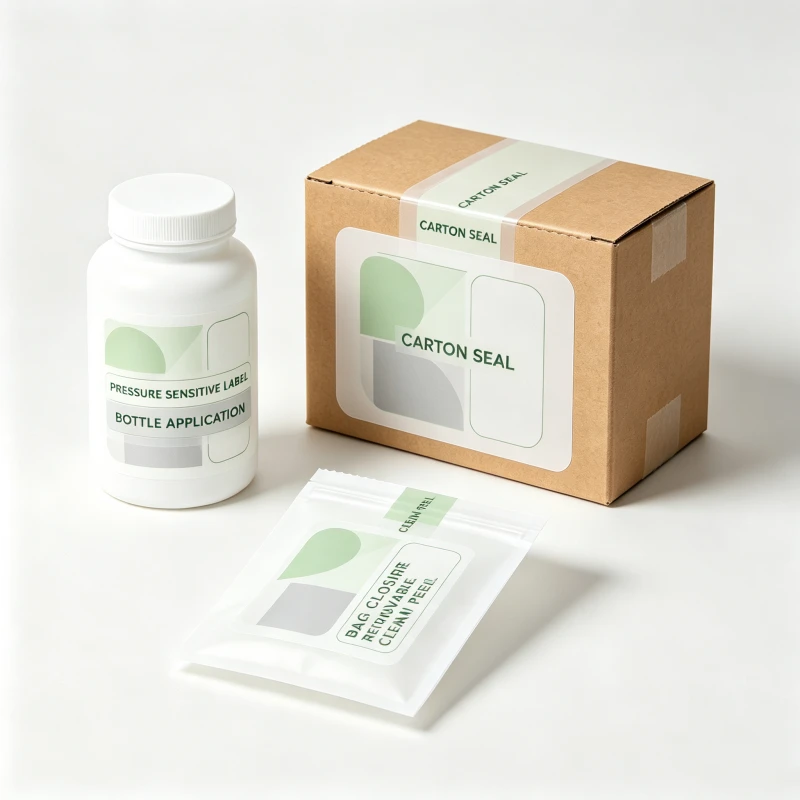
For example, a 78 gsm semi-gloss paper may perform perfectly on a dry cardboard package but fail on a refrigerated glass bottle if the adhesive and construction are not designed for condensation.
This is why professional label manufacturers usually need more information than simply:
“I need 10,000 white paper labels.”
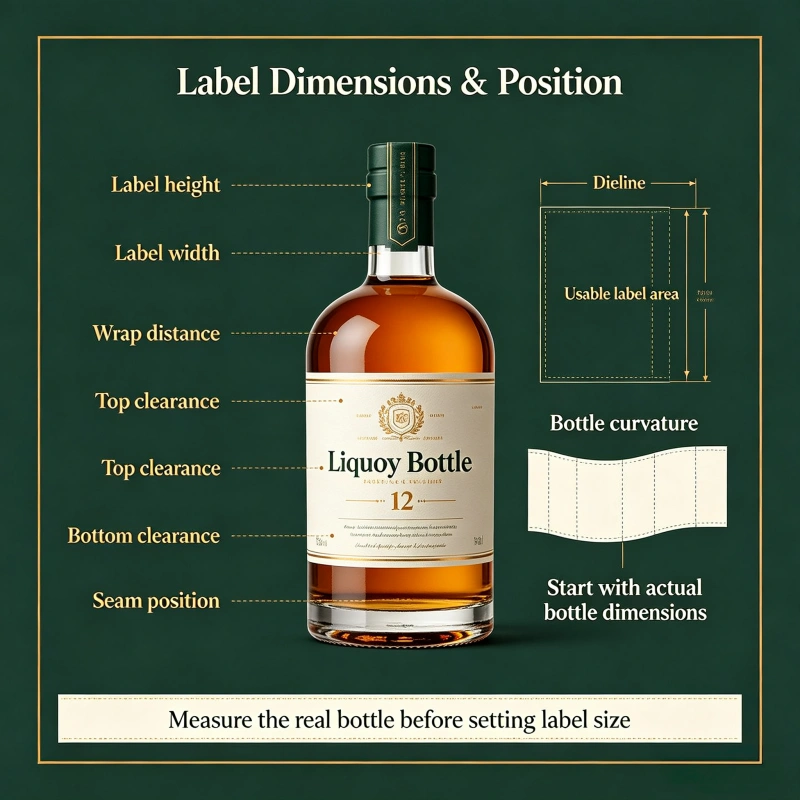
A useful quotation should specify the material, size, adhesive, printing method, finish, quantity and application environment.
How to Order the Correct Label Paper from a Manufacturer
When requesting a quotation, provide:
- Label size
- Label shape
- Product/package material
- Application surface
- Indoor or outdoor use
- Expected service life
- Temperature range
- Moisture exposure
- Printing method
- Number of colors
- Required finish
- Quantity
- Application method
- Target market
For example:
10,000 self-adhesive labels, 80 × 50 mm, semi-gloss paper, permanent acrylic adhesive, 4-color printing, matte varnish, applied to glass bottles, refrigerated after filling.
This specification is much more useful than simply asking for “paper sticker prices.”
Frequently Asked Questions About Types of Label Paper
What are the most common types of label paper?
The most common options include matte, semi-gloss, high-gloss, uncoated, kraft, cast-coated and thermal papers. Specialty options include fluorescent, metallic and textured papers.
What is the best paper for product labels?
For general dry product packaging, semi-gloss is a practical choice because it provides a good balance between print quality, appearance and cost.
For premium packaging, textured, metallic or cast-coated paper may be more appropriate.
What is the difference between matte and glossy label paper?
Matte paper reflects less light and provides a softer, more understated appearance.
Glossy paper reflects more light and generally produces stronger visual color impact.
Neither is automatically more durable simply because of the finish.
Is label paper waterproof?
Ordinary paper labels are not waterproof.
Some coated or specially treated papers provide improved moisture resistance, but if the label must survive prolonged water, condensation or wet handling, a synthetic material such as PP/BOPP may be more appropriate.
Is kraft paper good for product labels?
Yes. Kraft is particularly suitable for organic, handmade, natural and craft-oriented brands.
However, it is less suitable when the design requires very bright colors or a pure white background unless additional printing techniques are used.
What paper is best for wine labels?
There is no single best wine-label paper.
Premium wines often use textured, uncoated, coated, metallic or specialty papers depending on the desired brand image.
The environment also matters. A bottle stored in an ice bucket needs different performance considerations from a bottle kept at room temperature.
What paper is best for barcode labels?
Semi-gloss and thermal-transfer paper are common choices for barcode applications because they can provide smooth surfaces and good print definition.
The correct choice depends on the barcode printer, ribbon, application environment and required service life.
What is the difference between direct thermal and thermal-transfer paper?
Direct thermal paper reacts directly to heat from the printhead and does not require a ribbon.
Thermal-transfer printing uses a ribbon to transfer the image onto the label.
Direct thermal is commonly used for short-term logistics and retail applications, while thermal transfer is often selected when you need longer-lasting printed information.
Is matte paper better than semi-gloss paper?
Neither is universally better.
Choose matte when readability, low glare and a natural appearance are priorities.
Choose semi-gloss when you want stronger color reproduction and a more polished appearance while keeping costs reasonable.
What GSM is normally used for label paper?
Common label-paper facestocks are often around 60–90 gsm, although exact specifications vary by grade and supplier. Current examples include approximately 70–80 gsm matte/woodfree, 78–80 gsm semi-gloss and 80–90 gsm high-gloss cast-coated paper.
GSM alone, however, does not determine label quality.
The coating, adhesive, liner, caliper and printing process are also important.
Can paper labels be used on glass bottles?
Yes.
Paper labels are widely used on glass bottles for products such as wine, spirits, sauces and beverages.
The important question is whether the bottle will encounter condensation, refrigeration, ice or water. If it will, test the complete label construction rather than evaluating the paper alone.
Can I use the same label paper for all my products?
Technically, you can standardize materials, but it is not always the best approach.
A cosmetics jar, refrigerated beverage, shipping carton and outdoor industrial product may require completely different constructions.
Standardizing where possible can reduce purchasing complexity, but the material should still match the actual application.
Final Guide: Which Label Paper Should You Choose?
The easiest way to narrow down the choices is to start with the environment rather than the color.
For general dry product labels: choose matte or semi-gloss paper.
For strong shelf graphics: consider high-gloss or cast-coated paper.
For natural and handmade branding: consider kraft or uncoated paper.
For premium wine and spirits: consider textured, metallic or specialty decorative paper.
For short-term shipping and logistics: consider direct thermal paper.
For durable variable-data printing: consider thermal-transfer paper.
For wet, chilled or highly demanding environments: don’t automatically choose paper—evaluate synthetic PP/BOPP or PET materials as well.
The biggest lesson in choosing label paper is that appearance should never be the only selection criterion. A good label material has to work with the printing technology, adhesive, package surface, storage conditions, expected service life and brand positioning.
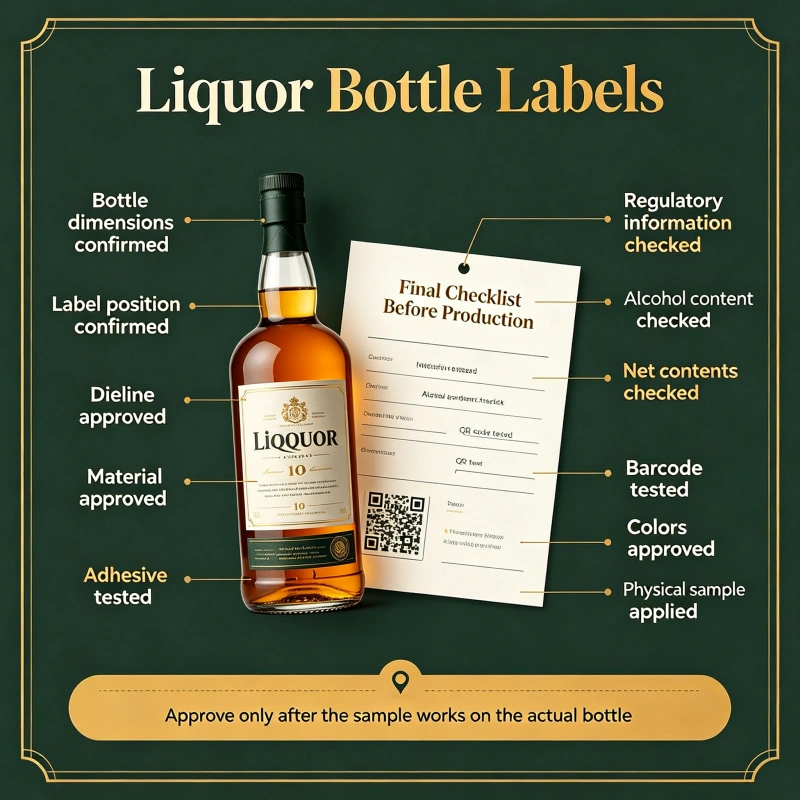
For B2B buyers, the safest purchasing process is simple: define the application first, shortlist two or three materials, request physical samples, apply them to the real packaging, test them under actual conditions, and only then approve the bulk order.
That small amount of testing can prevent a much larger problem later—thousands of labels that look good in a quotation but fail after they reach the production line or the retail shelf.

Jgs is a custom labeling professional with 15 years of industry experience in labeling solutions.