
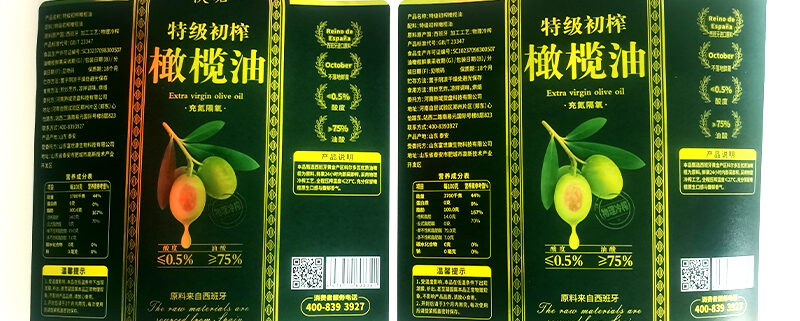
Waterproof Labels: Durable Label Solutions For Moisture.
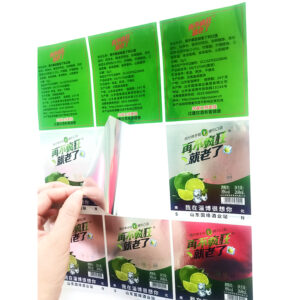
When a product is exposed to water, condensation, humidity, ice, cleaning agents, or repeated handling with wet hands, an ordinary paper label can quickly become a weak point in the packaging. It may wrinkle, absorb moisture, lose print quality, lift at the edges, or completely detach from the container.
This is where Waterproof Labels provide a practical solution.
Waterproof labels are designed with moisture-resistant face materials, suitable adhesives, durable printing, and, when necessary, protective coatings or laminates. Common film materials include BOPP/PP, PET/polyester, and vinyl, while the adhesive must also be selected according to the product surface and exposure conditions.
For buyers, however, choosing waterproof labels is not simply a matter of asking for the “strongest waterproof material.” A label used on a chilled beverage bottle has different requirements from one used on outdoor machinery, a shampoo bottle, frozen food, or an industrial chemical container.
This guide explains what waterproof labels are, how they work, which materials and adhesives are available, where they are used, and how to choose the right waterproof label solution for your product.
What Are Waterproof Labels?
Waterproof Labels are labels engineered to maintain their physical integrity, print quality, and adhesion when exposed to defined levels of moisture or water.
Unlike conventional paper labels, waterproof labels generally use synthetic film face materials that do not absorb water in the same way paper fibers do. Common materials include:
- BOPP
- PP
- PET
- Polyester
- Vinyl
- Synthetic paper
The complete label construction normally involves several components:
Face Material + Adhesive + Printing + Protective Finish
The face material prevents water from damaging the label structure, while the adhesive maintains the bond with the product surface. Printing and protective coatings determine whether graphics, text, barcodes, and QR codes remain readable after exposure.
This is why a waterproof label should be treated as a complete labeling system, rather than simply a piece of waterproof plastic.
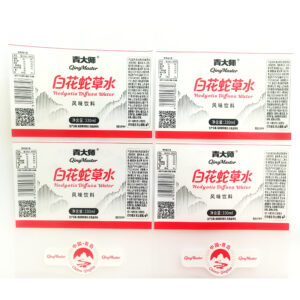
Waterproof vs. Water-Resistant Labels: What’s the Difference?
One of the most important search-intent questions buyers have is:
Are waterproof labels and water-resistant labels the same thing?
Not necessarily.
A water-resistant label may be designed to tolerate:
- Humidity
- Condensation
- Occasional splashes
- Wet handling
A waterproof label is generally intended for more demanding exposure, potentially including prolonged water contact or immersion, depending on the exact specification and testing conditions.
For example:
| Environment | Possible Label Direction |
|---|---|
| Dry indoor packaging | Paper |
| Occasional splashes | Coated paper or synthetic film |
| Refrigerated bottle | BOPP / PP |
| Shower products | BOPP / PP / PET |
| Outdoor equipment | PET / vinyl |
| Frequent washing | Film + protective finish |
| Freezer products | Synthetic film + freezer adhesive |
| Chemical exposure | PET or specialized construction |
There is no single universal “waterproof” construction for every application. The actual exposure should be defined before selecting materials.
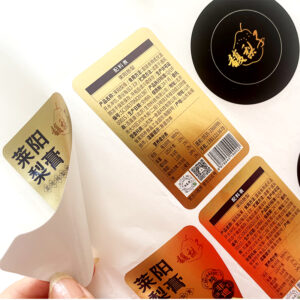
Why Do Ordinary Labels Fail in Moisture?
Paper labels are made from cellulose-based fibers. When exposed to water, moisture can penetrate the material, causing:
- Swelling
- Wrinkling
- Tearing
- Ink damage
- Edge wicking
- Adhesive failure
- Label lifting
Even when paper has a coating, water can potentially enter through cut edges or damaged areas.
Film-based materials avoid this particular problem because PP, PET, and vinyl are non-porous synthetic materials.
However, switching to a film alone does not automatically create a waterproof label.
If the adhesive is unsuitable, the label can still peel.
If the ink is not properly protected, graphics can still become damaged.
If the label is applied to a wet or contaminated surface, adhesion can still fail.
Therefore, waterproof performance depends on the entire label construction.
Best Materials for Waterproof Labels
1. BOPP Waterproof Labels
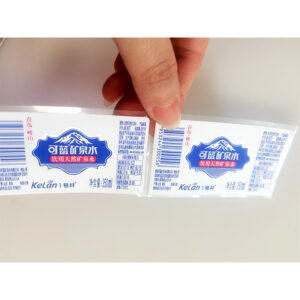
BOPP, or biaxially oriented polypropylene, is one of the most widely used materials for moisture-resistant consumer-product labels.
It offers a useful combination of:
- Water resistance
- Lightweight construction
- Good printability
- Flexibility
- Attractive appearance
- Cost efficiency
BOPP Waterproof Labels are particularly suitable for:
- Bottled beverages
- Food packaging
- Shampoo
- Shower gel
- Cosmetics
- Household products
- Refrigerated products
White BOPP is popular when strong graphic contrast is required, while clear BOPP can create a “no-label” appearance on transparent containers.
For many everyday wet-product applications, BOPP provides a practical balance between performance and cost.
2. PET Waterproof Labels
PET, or polyester, is suitable when durability is a higher priority.
PET can provide excellent:
- Tear resistance
- Dimensional stability
- Heat resistance
- Abrasion resistance
- Chemical resistance
- Moisture resistance
Typical applications include:
- Industrial equipment
- Electronics
- Automotive components
- Laboratory products
- Durable asset identification
- Outdoor equipment
PET is generally more rigid than PP, which makes it excellent for durable rigid surfaces but potentially less suitable for highly squeezable packaging.
3. Vinyl Waterproof Labels
Vinyl is flexible and conformable, making it useful for curved and irregular surfaces.
It can be used for:
- Outdoor equipment
- Marine products
- Promotional decals
- Product identification
- Equipment labels
- Outdoor branding
Its flexibility makes it useful when a label needs to follow complex curves.
However, material selection should also consider the environmental requirements, especially chemical exposure, UV exposure, and the expected service life.
4. Synthetic PP Paper
Synthetic paper combines a paper-like visual appearance with the moisture and tear resistance of a synthetic substrate.
It can be considered for:
- Logistics
- Outdoor tags
- Plant labels
- Retail identification
- Product packaging
For brands that want a paper-style appearance without relying entirely on conventional paper, synthetic paper can be a useful alternative.
Choosing the Right Waterproof Adhesive
A common mistake is to focus entirely on the label face material.
In reality, the adhesive is equally important.
A waterproof film label can still fail if the adhesive cannot withstand moisture, temperature changes, or the target surface.
Permanent Waterproof Adhesive
Permanent adhesives are appropriate when the label needs to remain attached throughout the product’s life.
Common applications include:
- Beverage bottles
- Cosmetics
- Industrial equipment
- Product identification
- Chemical containers
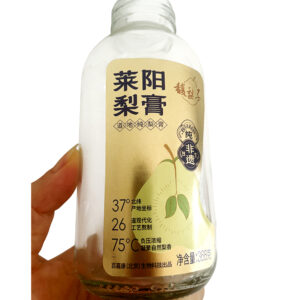
Acrylic adhesive systems are often considered for demanding moisture environments because of their durability and environmental resistance.
Removable Waterproof Adhesive
Some applications require the label to withstand moisture while still being removable.
These can include:
- Temporary promotions
- Reusable containers
- Retail displays
- Temporary equipment identification
However, removable waterproof labels are technically more challenging because the adhesive must balance water resistance with clean removability.
Freezer-Grade Adhesive
For frozen food and cold-chain products, standard adhesive may not be sufficient.
Low-temperature conditions can affect adhesive tack and bonding performance, especially when condensation or frost is present.
Freezer applications should therefore specify:
- Application temperature
- Storage temperature
- Exposure duration
- Condensation conditions
- Product surface
Cold-storage adhesive selection should be based on the actual application rather than simply choosing a label described as “waterproof.”
Waterproof Labels for Chilled and Refrigerated Products
Refrigerated products create a particularly difficult labeling environment.
Imagine a cold beverage bottle taken from a refrigerator and placed in a warm room.
Condensation forms on the surface.
The label now faces:
Cold temperature + water + handling + friction
This is very different from a dry bottle stored at room temperature.
Common applications include:
- Bottled water
- Beer
- Soft drinks
- Juice
- Dairy products
- Refrigerated sauces
- Ready-to-eat foods
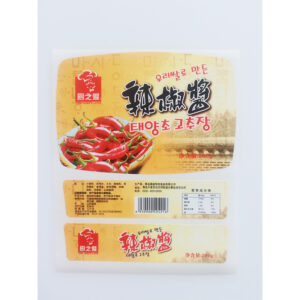
BOPP or other synthetic film labels can be considered, but the adhesive and application conditions must also be evaluated. Applying a label to a cold or damp surface can produce a different bonding result from applying it to a clean, dry container at room temperature.
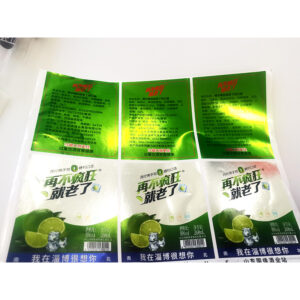
Waterproof Labels for Food & Beverage
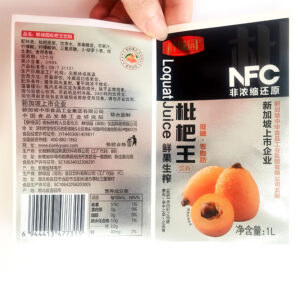
Food and beverage packaging is one of the largest application areas for waterproof labels.
Common products include:
- Water
- Juice
- Beer
- Soft drinks
- Sauces
- Pickles
- Jams
- Frozen food
- Refrigerated food
The label may encounter:
- Condensation
- Ice
- Refrigeration
- Wet hands
- Washing
- Transportation friction
For these applications, white BOPP, clear BOPP, PP, and other synthetic constructions are frequently considered.
Clear waterproof labels can also create a premium transparent appearance on glass or clear plastic bottles.
Waterproof Labels for Cosmetics & Personal Care
Bathroom environments can be surprisingly aggressive toward labels.
Think about a shampoo bottle sitting inside a shower:
Water + steam + humidity + repeated handling + oils + cleaning products.
Ordinary paper labels may not be appropriate for this environment.
Waterproof labels are commonly used for:
- Shampoo
- Conditioner
- Body wash
- Facial cleanser
- Lotion
- Hand soap
- Bath products
- Hair-care products
BOPP and PET are commonly considered for these applications because they combine moisture resistance with attractive printing surfaces.
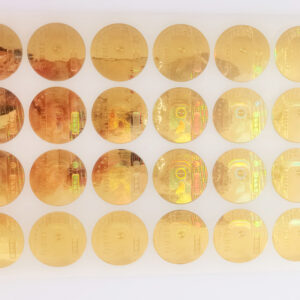
Premium finishes can include:
- Matte lamination
- Gloss lamination
- Soft-touch
- Clear film
- Metallic effects
- Spot UV
- Foil stamping
The result is a label that can protect both product information and brand presentation.
Waterproof Labels for Household Cleaners
Household cleaning products may face a more difficult combination of moisture and chemicals.
Applications include:
- Glass cleaners
- Bathroom cleaners
- Kitchen cleaners
- Disinfectants
- Laundry products
- Spray bottles
Here, water resistance alone may not be enough.
The label may also encounter:
- Alcohol
- Detergents
- Oils
- Solvents
- Repeated wiping
- Abrasion
For these products, PET or PP can be considered depending on the formulation and application. Protective laminates can also provide an additional barrier against rubbing and chemical contact.
Waterproof Labels for Outdoor Applications
Outdoor labels face a combination of environmental stresses.
These can include:
- Rain
- Humidity
- UV radiation
- Temperature changes
- Dirt
- Abrasion
- Snow
- Long-term water exposure
Typical applications include:
- Outdoor machinery
- Agricultural equipment
- Electrical cabinets
- Garden products
- Vehicle components
- Construction equipment
- Marine products
For outdoor applications, a waterproof construction may need additional UV and abrasion protection. Film material alone does not guarantee long-term outdoor durability.
For demanding outdoor applications, PET or vinyl can be considered depending on the required flexibility and durability.
Waterproof Labels for Industrial Products
Industrial labels often have tougher requirements than consumer packaging.
They may need to withstand:
- Water
- Oil
- Chemicals
- Heat
- Cold
- Abrasion
- UV
- Repeated cleaning
Typical uses include:
- Machine identification
- Serial-number labels
- Asset tags
- Electrical equipment
- Automotive components
- Control panels
- Warning labels
PET is often a strong candidate when durability and dimensional stability are important.
For highly demanding applications, the label should be tested against the actual chemicals, temperatures, and cleaning methods encountered in service.
Printing and Finishing for Waterproof Labels
A waterproof face material does not automatically mean waterproof printing.
The printing system must also be selected for the environment.
Potential solutions include:
- UV-cured inks
- Durable solvent-based inks
- Protective varnish
- Gloss laminate
- Matte laminate
- PET overlaminate
- PP overlaminate
Lamination can provide an additional protective barrier over the printed surface, improving resistance to water, rubbing, and some chemical exposure.
For example:
BOPP + permanent adhesive + durable printing + protective laminate
can provide a very different performance level from:
paper + standard adhesive + conventional printing.
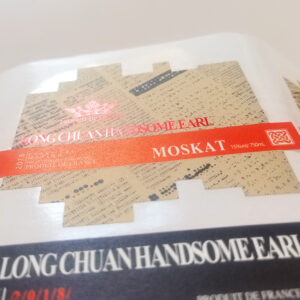
White, Clear and Colored Waterproof Labels
Waterproof labels are not limited to white.
White Waterproof Labels
Best for:
- Product information
- Barcodes
- QR codes
- Full-color branding
- Industrial identification
Clear Waterproof Labels
Best for:
- Glass bottles
- Transparent packaging
- Premium cosmetics
- “No-label” appearance
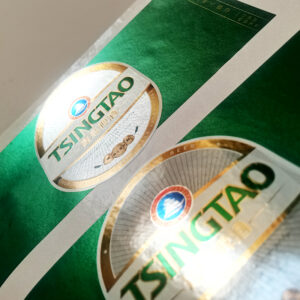
Metallic Waterproof Labels
Best for:
- Premium beverages
- Electronics
- Automotive products
- Luxury packaging
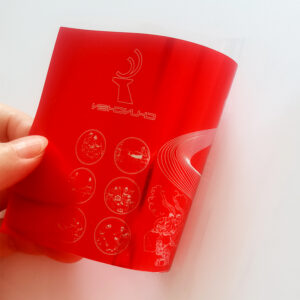
Colored Waterproof Labels
Red, yellow, blue, green, and other colors can be used for:
- Product differentiation
- Promotions
- Inventory identification
- Visual categorization
Color is primarily a visual and communication choice. Material and adhesive determine much of the label’s physical performance.
Benefits of Waterproof Labels
1. Better Moisture Resistance
Synthetic film materials prevent water from penetrating the label structure like conventional paper can.
2. Reduced Peeling
A suitable adhesive helps maintain bonding during wet conditions and temperature changes.
3. Better Print Protection
Protective finishes can help prevent smudging, abrasion, and deterioration.
4. Longer Label Life
A properly specified waterproof label can remain functional for longer in demanding environments.
5. Better Product Presentation
Wrinkled or peeling labels can make even a high-quality product look cheap. Durable labels help maintain a professional appearance.
6. Improved Barcode Readability
For logistics, retail, and inventory applications, keeping barcodes and QR codes clean and readable is critical. Waterproof label constructions can help preserve printed information under wet conditions.
How to Choose the Right Waterproof Labels
Before ordering, answer these questions:
1. What surface will the label be applied to?
Glass, PET, PP, PE, metal, cardboard, or another material?
2. How much water will the label encounter?
Occasional splashes are different from continuous condensation or immersion.
3. Will the product be refrigerated or frozen?
If yes, specify the actual temperature range.
4. Will chemicals or oils contact the label?
Cleaning products and industrial chemicals may require additional protection.
5. How long must the label last?
A three-month promotional label and a five-year equipment label require different constructions.
6. Will the product be outdoors?
If yes, consider UV and weathering requirements in addition to waterproofing.
7. Does the label need to be flexible?
For squeezable bottles and curved containers, conformability becomes important.
8. Does the label require a premium appearance?
Consider:
- Matte
- Gloss
- Transparent
- Metallic
- Embossed
- Foil
- Soft-touch
Waterproof Labels: Quick Material Comparison
| Material | Water Resistance | Flexibility | Durability | Typical Applications |
|---|---|---|---|---|
| BOPP | Excellent | Good | Good | Food, beverage, cosmetics |
| PP | Excellent | Good | Good | Personal care, packaging |
| PET | Excellent | Moderate | Excellent | Industrial, electronics |
| Vinyl | Excellent | Excellent | Excellent | Outdoor, curved surfaces |
| Synthetic Paper | Very Good | Good | Good | Retail, logistics |
| Coated Paper | Limited to moderate | Good | Lower | Dry or splash-resistant applications |
This table is a starting point rather than a universal performance guarantee. Actual performance depends on the complete label construction, adhesive, printing, package surface, application conditions, and exposure conditions.
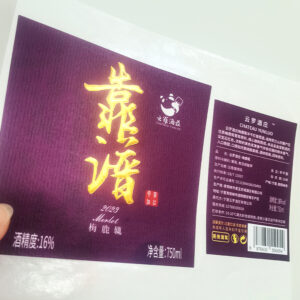
Why Work With a Custom Waterproof Label Manufacturer?
For simple applications, a standard waterproof label may be sufficient.
For commercial production, however, custom manufacturing provides greater control over:
- Label dimensions
- Material
- Adhesive
- Color
- Printing
- Finish
- Die-cut shape
- Roll direction
- Core size
- Packaging
- Variable data
A professional manufacturer can evaluate the application and recommend a construction based on the actual conditions.
For example:
Chilled beverage → White BOPP + cold/moisture-resistant adhesive
Shampoo bottle → Flexible PP/BOPP + permanent adhesive + protective finish
Outdoor machine → PET or vinyl + durable adhesive + UV protection
Industrial chemical container → PET + chemical-resistant construction + protective laminate
This application-driven approach can reduce the risk of selecting an unnecessarily expensive material—or worse, a material that fails after the product reaches the customer.
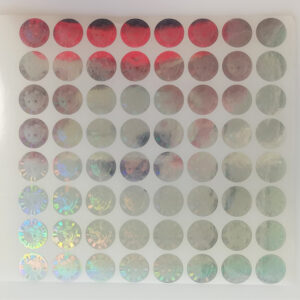
FAQ About Waterproof Labels
Are waterproof labels completely waterproof?
Not every product marketed as “waterproof” performs the same. Define waterproof performance based on the actual exposure, such as splashing, condensation, repeated washing, or immersion. The face material, adhesive, printing, and protective finish all matter.
What is the best material for waterproof labels?
There is no single best material. BOPP is a strong choice for many beverage, food, and personal-care applications, while PET is often better suited to demanding industrial applications. Vinyl can be useful where flexibility and outdoor durability are important.
Are waterproof labels suitable for refrigerated products?
Yes, but the adhesive and application conditions are important. Condensation and low temperatures can affect adhesion, so the construction should be tested under the actual refrigeration conditions.
Can waterproof labels be used outdoors?
Yes. Depending on the expected service life, outdoor labels may require waterproof film, suitable adhesive, durable printing, and UV/abrasion protection.
Are waterproof labels suitable for shampoo bottles?
Yes. Shampoo, body wash, lotion, and other bathroom products are common applications for moisture-resistant synthetic labels.
Can waterproof labels be customized?
Yes. Custom waterproof labels can be manufactured in different sizes, shapes, materials, colors, adhesives, printing methods, and finishes to match the product and application environment.
Final Thoughts
Choosing Waterproof Labels should never begin with the question, “Which waterproof material is the cheapest?”
The better question is:
“What type of moisture exposure will this label actually experience?”
A label exposed to occasional splashes has different requirements from one sitting inside an ice bucket. A shampoo bottle faces different conditions from an outdoor machine. A frozen-food label needs different adhesive performance from a dry retail carton.
The most reliable selection process is:
Application → Surface → Moisture Exposure → Temperature → Material → Adhesive → Printing → Protective Finish → Testing
For most moisture-sensitive consumer packaging, BOPP and PP provide an effective balance of water resistance, appearance, flexibility, and cost. PET is a stronger option for demanding industrial, chemical, and high-durability applications, while vinyl can be valuable for flexible outdoor and curved-surface labeling.
Ultimately, the best Waterproof Labels are not simply labels that “don’t get wet.” They are complete label constructions designed to keep the product information readable, the graphics attractive, and the label securely attached throughout its intended service life.

International Trade Sales professional with 10+ years of experience in the label printing and packaging industry. Specializing in export sales, global market development, and client relationship management, with expertise in custom labeling solutions across paper and film substrates (PP, PE, PET). Serving global clients across FMCG, pharmaceutical, and personal care sectors. Committed to delivering quality, consistency, and trust in every shipment.


Leave a Reply
Want to join the discussion?Feel free to contribute!